Pressure Alarms Versus HVAC Cages Compared
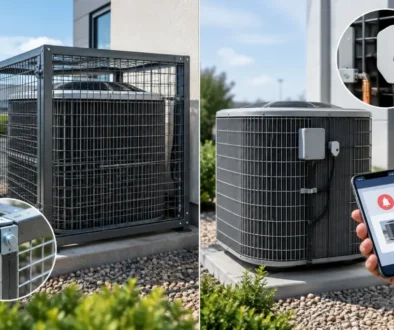
A condenser cage may be the first thing a thief sees. A pressure alarm may be the first thing that tells the property someone has begun tampering with the unit. That distinction is central to pressure alarms versus HVAC cages: one creates a physical obstacle, while the other is designed to identify actions associated with an active theft attempt and communicate with the burglar-alarm system.
For property owners, facility managers, and security professionals, this is not always an either-or decision. The right choice depends on the equipment location, the history of theft or vandalism, the condition of the existing alarm system, and how quickly the property needs to know that a condenser is being targeted. The strongest plans often pair physical delay with early-stage detection.
Pressure Alarms Versus HVAC Cages: The Core Difference
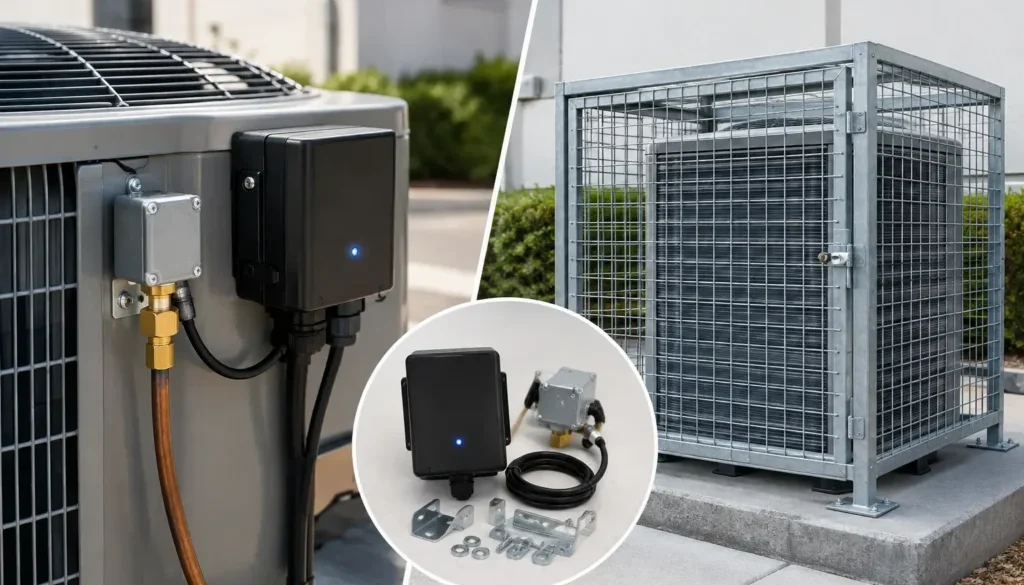
An HVAC cage is a physical enclosure installed around an outdoor condenser. Its purpose is straightforward: make access to copper lines, coils, electrical components, and the condenser itself more difficult. A well-selected cage can discourage casual tampering and add time and effort to an attempted theft.
A pressure alarm addresses a different point in the event. Copper theft commonly involves shutting off electrical power and cutting refrigerant lines. When refrigerant pressure drops after a line is cut, a properly installed pressure-monitoring device can recognize that condition. When connected to an existing burglar-alarm system, it can trigger an alarm response intended to draw immediate attention to the attempt.
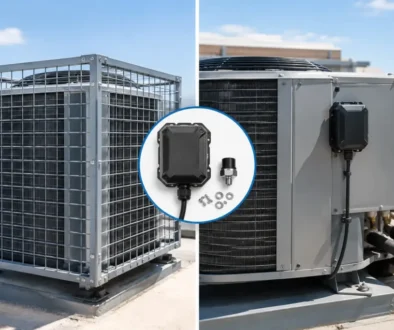
The practical difference is timing. A cage attempts to slow access before a thief reaches the equipment. A pressure alarm is designed to detect the conditions created when an attempt progresses. Neither approach removes every risk. Together, they can give a property both resistance and notification.
What an HVAC Cage Does Well
Cages are visible. At locations where the condenser is exposed near an alley, parking area, service corridor, or open side yard, that visibility can be valuable. A sturdy enclosure signals that the unit is not unprotected and can make simple grab-and-go tampering less attractive.
Physical protection is also useful for more than theft. Depending on the design and placement, a cage can help limit accidental contact with equipment and reduce exposure to some forms of vandalism. For properties with multiple condensers grouped in a common mechanical area, a cage may help establish a clearer protected perimeter around the equipment.
A cage is not a detection system, however. It does not automatically tell a manager, monitoring center, or nearby occupants that someone is working on the unit. If an intruder has sufficient time, tools, or concealment, the cage may be attacked, bypassed, or damaged. Its value depends heavily on construction, anchoring, access points, and whether it interferes with required HVAC service access.
That last point matters. Condensers need regular maintenance. A cage that is difficult for authorized technicians to open, or that prevents proper clearance for service, can create avoidable operational frustration. The best physical enclosures balance security with practical HVAC access.
What a Pressure Alarm Adds
Pressure monitoring focuses on the refrigerant circuit, where cutting a copper line produces a meaningful change in pressure. This makes it especially relevant when the property needs notification at the point the theft attempt begins causing mechanical damage.
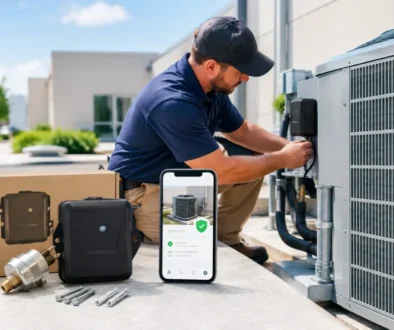
CopperWatcher™ CW-3 monitors both electrical power and refrigerant pressure at the A/C unit. This dual approach is designed around the two actions commonly associated with condenser theft attempts: shutting off power and cutting copper refrigerant lines. It communicates with the property’s existing burglar-alarm system so the alarm siren can call attention to suspicious conditions without requiring a separate, stand-alone alarm platform.
The electrical monitoring component also matters because not every loss of power is an intentional shutdown. A properly configured system should distinguish an intentional A/C shutdown from a local power outage, helping reduce nuisance alarms and the risk of unnecessary alarm dispatches or municipal fines.
Pressure alarms are particularly useful where a condenser is concealed from normal view. A rear service area, rooftop, fenced utility yard, vacant building, or lightly occupied property can leave equipment out of sight for extended periods. In these locations, a physical cage may still add delay, but detection connected to an audible burglar alarm can provide the immediate attention that a cage alone cannot.
Where Each Option Has Limits
A cage is only as effective as its installation. Weak anchoring, poor material selection, oversized openings, or an unsecured service door can compromise its purpose. Some cage designs may also leave refrigerant lines accessible outside the protected enclosure. Before installing one, evaluate not only the cabinet around the condenser but also the route and exposure of copper lines.
A pressure alarm has its own installation requirements. It must be set up correctly on compatible equipment and integrated properly with the burglar-alarm panel. Pressure-switch adjustment, wiring, power supervision, and alarm-panel programming should be handled according to the product documentation and, where appropriate, by qualified alarm or HVAC professionals.
Most importantly, a pressure alarm does not physically prevent access to the unit. It detects the conditions associated with a theft attempt and initiates an alarm response through the existing system. That response can be highly valuable, but it works best as part of a broader protection plan that includes appropriate lighting, maintained fencing or gates, clear visibility where feasible, and dependable alarm operation.
Choosing Based on Your Property
A low-risk, well-observed residential condenser may benefit primarily from a properly installed cage, especially if the unit is close to occupied areas and visible from the street or neighboring homes. Even then, a property owner should consider whether the copper lines remain exposed and whether anyone would notice tampering promptly.
For commercial sites, multifamily communities, schools, houses of worship, retail buildings, and vacant properties, the decision often changes. These locations may have several units, larger repair exposure, periods of low occupancy, or more distance between the equipment and people who could hear or see suspicious activity. Early detection and integration with an existing burglar alarm become more valuable in those circumstances.
For a facility manager, consider the real cost of a condenser theft beyond the copper itself. There may be coil replacement, refrigerant-related service, emergency HVAC work, tenant or occupant discomfort, temporary cooling loss, insurance administration, and repeated vulnerability at the same location. A security decision should account for those operational consequences, not only the cost of the hardware.
Why Layered Protection Usually Makes Sense
The most practical answer to pressure alarms versus HVAC cages is often to use each for what it does best. The cage adds physical delay and visible deterrence. The pressure alarm provides early-stage detection when power loss and refrigerant-line cutting indicate an active threat. The burglar-alarm siren adds a strong local response that can bring attention to the event.
Layering is especially useful for sites that have already experienced attempted theft, have multiple exposed condensers, or cannot rely on constant human observation. It also lets contractors and security integrators offer a more complete recommendation: protect the equipment physically, monitor the conditions that indicate tampering, and connect the response to infrastructure the customer already owns.
Before selecting equipment, walk the site in daylight and after dark. Identify where condensers can be approached, whether copper lines are exposed, how far the nearest occupied area is, and what happens if power is intentionally shut off at the unit. Confirm that cages can be serviced safely and that the burglar-alarm system has the capacity and programming needed for HVAC theft detection.
The goal is not to make a property look fortified. It is to make a theft attempt harder, more visible, and more likely to be detected before a damaged condenser turns into extended downtime and an expensive repair.