Air Conditioning Copper Theft Solutions That Work
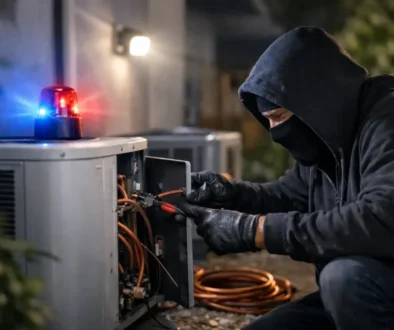
A condenser can be disabled in minutes, but the damage rarely ends at the missing copper. Air conditioning copper theft solutions must address the actual sequence of a theft attempt: a criminal shuts off power, cuts refrigerant lines, removes the coil or tubing, and leaves the property with an inoperable HVAC system, refrigerant loss, repair bills, and potential business disruption.
For a school, retail location, apartment community, house of worship, or vacant building, that can mean uncomfortable occupants, interrupted operations, emergency service calls, insurance claims, and a higher likelihood of repeat targeting. The most effective response is not simply making the unit harder to reach. It is detecting the attempt early enough to create an immediate response.
Why A/C Copper Theft Requires a Specialized Response
Outdoor condensers are exposed assets. They are often located behind buildings, along service corridors, on rooftops, or in areas with limited overnight activity. Thieves know that copper-bearing components can be removed quickly and sold for scrap, while the property owner bears the far greater cost of restoring cooling.
A standard burglar alarm may protect doors, windows, and interior spaces without monitoring what is happening at the condenser. A camera may record the theft, but recording an event is not the same as stopping it. A fence, cage, or lighting upgrade can slow access, yet a determined thief may still cut through or work around physical barriers.
Effective protection focuses on the conditions that occur when someone attacks the equipment. At a minimum, a property needs a way to recognize that power has been intentionally interrupted and that refrigerant lines have been cut or compromised. When those events are detected, the alarm must create attention before the thief can finish the job.
The Best Air Conditioning Copper Theft Solutions Detect the Attempt
The core weakness of many security measures is timing. By the time a property manager sees video footage or discovers a disabled unit the next morning, the coil, copper tubing, and refrigerant may already be gone. The repair is reactive, and the site remains vulnerable while equipment is out of service.
A purpose-built detection system monitors the theft process itself. This is different from relying on motion near a condenser, which can be activated by maintenance personnel, animals, weather, or ordinary site activity. It is also different from an alarm contact placed only on a cage door, since a thief may attack the unit without opening the protected access point.
Systems designed for A/C theft prevention can monitor two critical conditions: electrical power at the air-conditioning equipment and refrigerant pressure in the lines. Cutting a charged refrigerant line causes a rapid pressure change. Disconnecting power is commonly part of the attempt because it reduces the risk of injury, noise, or equipment response during the attack.
When both conditions are evaluated intelligently, the system can signal the existing burglar-alarm panel and activate the site siren. That audible response is valuable because it draws immediate attention to activity at the unit. The objective is simple: interrupt the theft while the equipment is still in place.
Intentional shutdown versus a local outage
Power monitoring has to be handled carefully. A conventional power-loss device that activates every time utility service drops can create nuisance alarms. That is not a minor inconvenience. False dispatches can waste resources, frustrate occupants, and in some municipalities lead to alarm fines.
The right system distinguishes an intentional local power shutdown from a broader power outage. This logic matters because the security response should be tied to a credible threat condition, not routine utility instability. Property owners need a system that is sensitive to the actual method of theft without turning normal electrical events into recurring alarm problems.
Pressure detection identifies line cutting
Refrigerant pressure monitoring adds protection where a basic electrical device cannot. A thief can cut copper lines even if other deterrents are present. Detecting the pressure loss associated with a cut line provides a direct indication that the HVAC circuit has been attacked.
Pressure settings and installation practices should match the equipment and site conditions. Licensed HVAC and alarm professionals are particularly well positioned to evaluate line access, system configuration, alarm-panel wiring, and startup verification. A security device is only as useful as its installation and testing process.
Build Protection in Layers, Not in Assumptions
No single measure fits every property. A well-lit residential condenser beside an occupied home has a different risk profile than multiple rooftop units at a vacant commercial site. The right approach depends on visibility, access, response time, local theft activity, the value of the HVAC assets, and whether the site already has an alarm system.
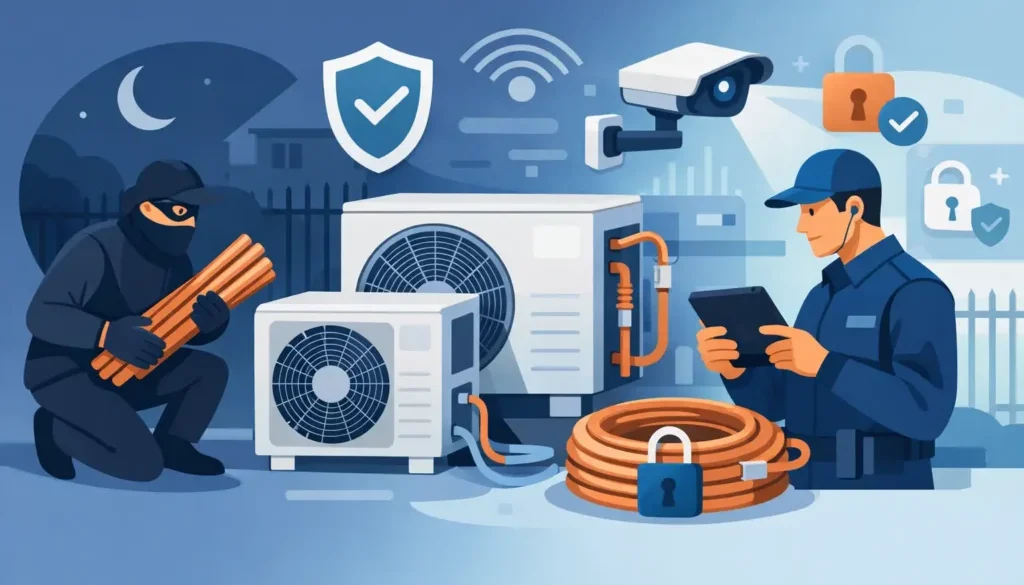
Physical protection still has a role. A properly designed cage can delay access and make a unit less convenient to attack. However, it should not block required HVAC service access, restrict airflow, create code concerns, or become the only line of defense. A cage may buy time. Detection and an active alarm response make that time matter.
Cameras can support investigations and help identify repeat offenders, especially when they cover approaches to the equipment and capture usable images at night. But cameras should be treated as verification and evidence tools unless someone is actively monitoring them. They do not automatically create the immediate deterrent of an on-site siren.
Site management practices also reduce unnecessary exposure. Keep vegetation trimmed around outdoor units, repair broken fencing and gates, maintain exterior lighting, and remove ladders, loose tools, or stored materials that provide cover or access. Document serial numbers and equipment details for insurance and recovery purposes. These measures are worthwhile, but they do not replace detection at the condenser.
Integrate With the Alarm System You Already Use
Replacing an established burglar-alarm system solely to protect HVAC equipment is usually unnecessary. A more practical approach is to add a specialized A/C theft detection device that communicates with the existing alarm panel.
This approach preserves the investment already made in monitored security infrastructure. It also gives the property a familiar response path: when the protected condition is detected, the panel can activate the siren and follow the site’s established notification or monitoring procedures. The security team, alarm contractor, and facility staff do not need to invent a separate response workflow.
CopperWatcher CW-3 is designed around that direct alarm integration. By monitoring electrical power and refrigerant pressure, it detects the two actions central to many condenser theft attempts and communicates the compromised condition to the burglar-alarm panel. The focus is early intervention, not merely documenting a completed loss.
For contractors, this design supports a clean division of work. The alarm professional can integrate the device with the panel and verify zone operation, while the HVAC professional can address equipment-specific pressure setup and mechanical considerations. On larger properties, coordination between the two trades helps avoid missed coverage, inaccessible wiring, or confusion about who tests which part of the system.
Questions to Ask Before Selecting a Solution
Before approving a system, property decision-makers should ask practical questions. Does it detect a real theft condition or only general movement? Can it differentiate a deliberate disconnect from a utility outage? Will it activate the site’s existing audible alarm? Is the equipment appropriate for the type and number of condensers being protected? Can qualified contractors install, test, and service it without complicating normal HVAC maintenance?
Also consider response. An audible siren can disrupt the theft immediately, but a monitored alarm response, staff call tree, or nearby contact can add another layer of accountability. Make sure the people responsible for the site know what an A/C theft alarm means and where the protected equipment is located. A fast, informed response is more valuable than a vague alert arriving after the fact.
Finally, look beyond the first incident. Once a location has been hit, thieves may return after repairs are completed. Protect replacement equipment before it becomes the next target, and review vulnerable units across the entire property rather than securing only the condenser that was previously damaged.
A working air-conditioning system is not just equipment on a pad. It supports tenant comfort, customer experience, operations, and safety. Protect it with detection that responds when a thief begins the attack, while there is still time to make the attempt a failed one.