AC Coil Replacement Cost for Commercial Properties
A cut refrigerant line can turn a functioning air-conditioning system into an urgent, expensive problem in minutes. The AC coil replacement cost is rarely just the price of a coil. For property owners, it can include emergency HVAC labor, lost refrigerant, damaged electrical components, system testing, downtime, tenant complaints, insurance administration, and security upgrades after the fact.
That is why facility decision-makers should treat coil damage differently from an ordinary maintenance repair. Whether the cause is corrosion, a leak, impact damage, or copper theft, the right response depends on the equipment’s age, refrigerant type, condition, and the full extent of the loss.
AC Coil Replacement Cost: Realistic Price Ranges
For a standard residential split system, installed coil replacement commonly falls in the range of roughly $1,000 to $4,500. A basic repair with accessible equipment may stay near the lower end. A larger system, difficult access, refrigerant replacement, or a proprietary coil can push the project much higher.
Commercial pricing is less predictable because systems vary widely in tonnage, configuration, location, and control requirements. Replacing a coil in a small packaged unit may cost several thousand dollars. A major repair involving a large rooftop unit, specialty refrigerant, crane access, after-hours labor, or damaged copper line sets can reach $10,000 to $20,000 or more.
These figures should be treated as planning ranges, not a substitute for an HVAC contractor’s inspection and written scope. A coil that appears to be the problem may be only one part of a larger loss. If a thief has cut copper lines, pulled wiring, damaged the condenser cabinet, or left the system exposed to weather, the repair may involve far more than restoring refrigerant pressure.
What Actually Drives the Final Price
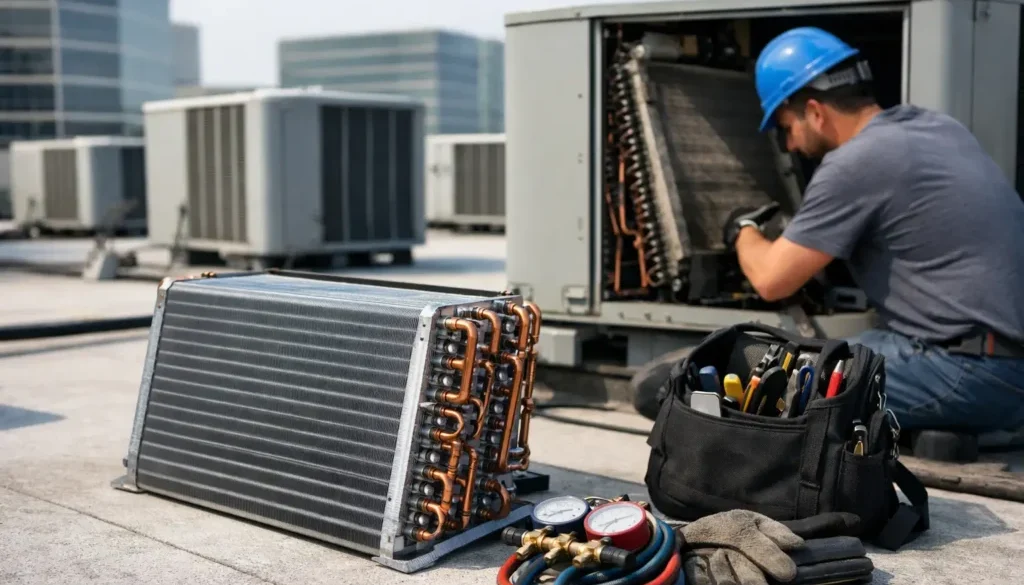
The equipment type is the starting point. An evaporator coil sits inside an air handler or furnace cabinet, while a condenser coil is part of the outdoor condensing unit. Accessing either one can require substantial disassembly. On a commercial roof, technicians may also need to work around roof access rules, safety procedures, tenant schedules, and equipment clearance.
Coil availability matters just as much. Original manufacturer coils may have long lead times, particularly for older units or equipment with discontinued components. An HVAC contractor may be able to source a compatible replacement, but compatibility must be verified carefully. A mismatched coil can reduce efficiency, create refrigerant-management issues, and shorten the service life of the repaired system.
Refrigerant is another major variable. When copper lines are cut or a coil is breached, the refrigerant charge is generally lost. The system must be repaired, pressure-tested, evacuated, and recharged to manufacturer specifications. Older systems using R-22 create a difficult decision because the refrigerant is expensive and increasingly impractical to source. In many cases, investing heavily in an aging R-22 system does not make financial sense when replacement equipment may offer better reliability and efficiency.
Labor costs increase when the work is urgent. A school, retail location, occupied apartment building, healthcare-related facility, or server room may not be able to wait for normal business hours. Emergency dispatch, overtime, roof work, and expedited shipping add cost quickly. For multi-unit properties, the disruption can also create a cascade of calls from tenants and staff while the affected area loses cooling.
The condition of the remaining equipment can change the decision entirely. If the compressor was exposed to contamination, electrical disconnects were damaged, or the outdoor unit was stripped beyond practical repair, a new condensing unit or a full matched system may be the more responsible recommendation. Replacing only the visibly damaged part can look less expensive on the first estimate but create repeat service costs later.
Theft Damage Makes a Normal Repair More Expensive
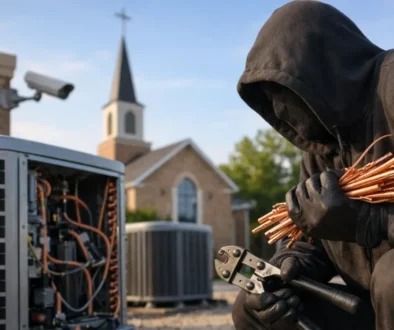
Copper theft is not a clean parts-replacement event. Thieves often disable power, cut refrigerant lines, and remove copper-bearing components quickly. Their goal is scrap value. The property owner is left with refrigerant loss, equipment damage, exposed wiring, and an HVAC system that cannot operate safely until it is inspected and repaired.
A theft-related repair can include new copper line sets, fittings, insulation, electrical repairs, replacement disconnects, refrigerant, coil or condenser replacement, leak testing, startup verification, and restoration of damaged security barriers. If the unit is left open or exposed after the theft, water intrusion and vandalism can add another layer of damage.
Insurance may offset part of the financial loss, but a claim is not a no-cost event. Deductibles, claim documentation, repair delays, premium concerns, and depreciation calculations can leave the owner with meaningful out-of-pocket costs. Repeated theft losses are especially damaging because they consume management time and can make a site appear increasingly vulnerable.
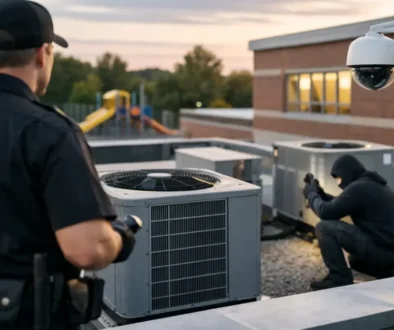
For facilities with multiple outdoor units, one successful theft attempt can create a broader operational concern. Thieves often return to locations where equipment is isolated, dark, unmonitored, or known to contain accessible copper. Repairing the first unit without addressing the exposure can leave the property positioned for the next loss.
Replace the Coil or Replace the Equipment?
This is not a decision that should be made solely on the lowest estimate. A qualified HVAC contractor should assess the unit’s age, refrigerant, compressor condition, efficiency, repair history, and remaining useful life. The answer may be coil replacement when the system is relatively new and the damage is contained. It may be complete unit replacement when the equipment is obsolete, heavily damaged, or likely to require another major repair soon.
Property owners should ask for a clear scope that separates required repairs from recommended upgrades. That makes it easier to compare proposals and understand what is driving the price. It also helps determine whether the quote includes refrigerant, crane service, electrical work, permits, controls, startup, warranty coverage, and removal of damaged equipment.
For an older unit, compare the repair against the installed cost of replacement equipment, not just the price of the coil. The difference may be significant, but so may the difference in operating efficiency, warranty protection, and future serviceability. A repair that preserves a reliable, properly matched system can be sound. A repair that extends the life of failing equipment for only one more season may not be.
Reducing the Risk Before the Next Loss
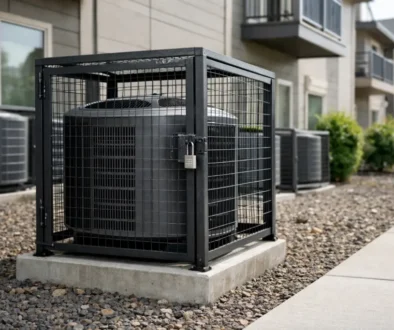
Physical barriers can slow an attacker, but they do not always provide immediate notice that a theft attempt is underway. Video may document the event, yet footage does not prevent refrigerant lines from being cut. The most effective protection strategy combines visible deterrence, site lighting, controlled access, and alarm-based detection that responds when the thief begins disabling the unit.
CopperWatcher CW-3 is designed for this specific threat. It monitors electrical power and refrigerant pressure at the A/C unit, detecting the core actions of a typical theft attempt: shutting off power and cutting copper refrigerant lines. When those conditions indicate a compromise rather than a local power outage, the system communicates with the existing burglar-alarm panel so the audible siren can draw immediate attention to the attempt.
That early-stage response matters because every additional minute at the condenser can increase the repair scope. A thief who is interrupted before copper lines are cut may leave behind little more than a failed attempt. A thief who has time to strip the unit can create an HVAC outage, a major repair invoice, and a long restoration process.
A Better Way to Budget for Coil Risk
Facility budgets often account for normal HVAC maintenance but overlook theft-driven capital exposure. Review outdoor equipment by location, visibility, replacement value, and consequence of downtime. A single condenser supporting a leasing office or retail suite creates a different risk than several units supporting classrooms, apartments, or essential operations.
Then document the actual replacement path before an incident occurs. Confirm equipment model numbers, refrigerant type, contractor contacts, alarm-panel capability, roof-access procedures, and insurance reporting requirements. This preparation will not eliminate the disruption of a theft, but it can reduce the time between discovery and a properly scoped repair.
A coil replacement invoice is often the final proof that exposed HVAC equipment needed more protection. The better time to act is while the unit is still running, the refrigerant is still contained, and a theft attempt can still be stopped before it becomes a loss.