HVAC Tamper Sensor Protection for A/C Units
An HVAC tamper sensor is not a convenience accessory for an outdoor condenser. At a property exposed to copper theft, it is an early-warning device that can determine whether an attempted theft becomes a loud, immediate response or an expensive discovery the next morning. A disabled condenser can mean destroyed coils, released refrigerant, emergency HVAC work, tenant complaints, interrupted operations, and a site that thieves may target again.
What an HVAC Tamper Sensor Is Designed to Detect
Outdoor A/C equipment is vulnerable because it is accessible, valuable, and often unattended overnight. A thief does not need to remove an entire condenser to create a major loss. Cutting refrigerant lines to reach copper or remove coil components can render the system inoperable within minutes. Shutting off power may be the first move, allowing the theft attempt to continue without drawing attention from a running unit or related equipment.
An HVAC tamper sensor addresses the conditions associated with that attack. The most effective systems monitor more than one event because power interruption alone does not always mean theft. A technician may intentionally shut down a unit for service. A storm, utility issue, or tripped breaker can also remove power without anyone touching the condenser.
For meaningful theft protection, the sensor logic should recognize the difference between an intentional shutdown and a local power outage. It should also monitor refrigerant pressure, since a sharp loss of pressure can indicate that copper refrigerant lines have been cut. Monitoring both conditions gives a property a better chance of detecting the theft attempt at the point of attack, not after a coil is gone.
Why Standard Burglar Alarms May Miss A/C Theft
A traditional burglar alarm is built to protect doors, windows, interior spaces, and sometimes perimeter gates. Those protections matter, but an outdoor condenser can sit beyond the protected envelope. If the thief never opens a door or enters the building, standard intrusion devices may never see the event.
Cameras help document activity and can discourage opportunistic theft, but they do not necessarily create an immediate response. Lighting improves visibility, yet it cannot identify a refrigerant-line cut. Fencing can delay access, although many condensers are installed where a determined thief can still reach them.
An HVAC-specific tamper sensor fills a different role. It watches the equipment itself and sends an alarm condition to the existing burglar-alarm panel when the monitored conditions indicate a theft attempt. That panel can activate the site siren, drawing immediate attention to the activity. For many properties, the audible response is valuable precisely because copper theft depends on time and privacy.
The Two Conditions That Matter Most
The strongest approach to condenser theft detection focuses on the actions a thief must take. First, power may be shut off. Second, refrigerant lines may be cut or opened. Each condition tells part of the story; together, they provide far more useful information than either signal alone.
Power interruption
Monitoring power is essential, but it must be handled intelligently. A device that treats every loss of electrical power as a break-in can create nuisance alarms during utility failures. Those false dispatches can frustrate staff, reduce confidence in the system, and in some jurisdictions lead to municipal fines.
A properly designed system considers whether the broader property still has power. If the building or alarm system has lost utility power, the condenser outage may be part of a legitimate area-wide event. If power is removed only at the protected A/C unit while the site remains energized, that is a more suspicious condition.
Refrigerant pressure loss
A pressure-based signal addresses the physical damage that turns a theft attempt into an HVAC emergency. When a copper refrigerant line is cut, system pressure changes rapidly. A pressure switch installed and set up for the equipment can recognize that loss and provide the second indication needed to trigger a response.
Pressure monitoring requires care. Refrigerant systems operate under different conditions depending on equipment type, refrigerant, ambient temperature, service activity, and whether the unit is running. Installation and pressure-switch setup should follow the manufacturer’s documentation and be completed by qualified HVAC and alarm professionals when the work requires it. A sensor is only as dependable as its wiring, setup, and connection to the alarm panel.
What to Look for Before Specifying a System
Not all A/C security devices solve the same problem. Some are primarily enclosure alarms. Others monitor motion near the unit. Those options can be appropriate in certain locations, but a property owner should ask a direct question: Does the device detect the theft actions that cause the loss?
Look for a system that integrates with the property’s existing burglar-alarm infrastructure rather than forcing a separate monitoring platform for one piece of equipment. Integration can simplify operations, use an alarm response process the property already understands, and activate the on-site siren without requiring personnel to watch a separate app or camera feed.
The system should also provide clear installation information. Contractors need to know terminal locations, wiring requirements, power needs, pressure-switch connections, alarm-panel interface details, and startup procedures before they arrive on site. A vague product description is not enough when the protection device is being installed alongside electrical and refrigerant equipment.
Finally, consider the site’s operational realities. A vacant retail property, a school campus, a multifamily complex, and a homeowner’s side-yard condenser each present different access patterns and response options. The equipment may be visible from the street, hidden behind a dumpster enclosure, or located on a roof. An effective security plan accounts for those factors while keeping the tamper sensor focused on the condenser itself.
Installation Decisions That Affect Performance
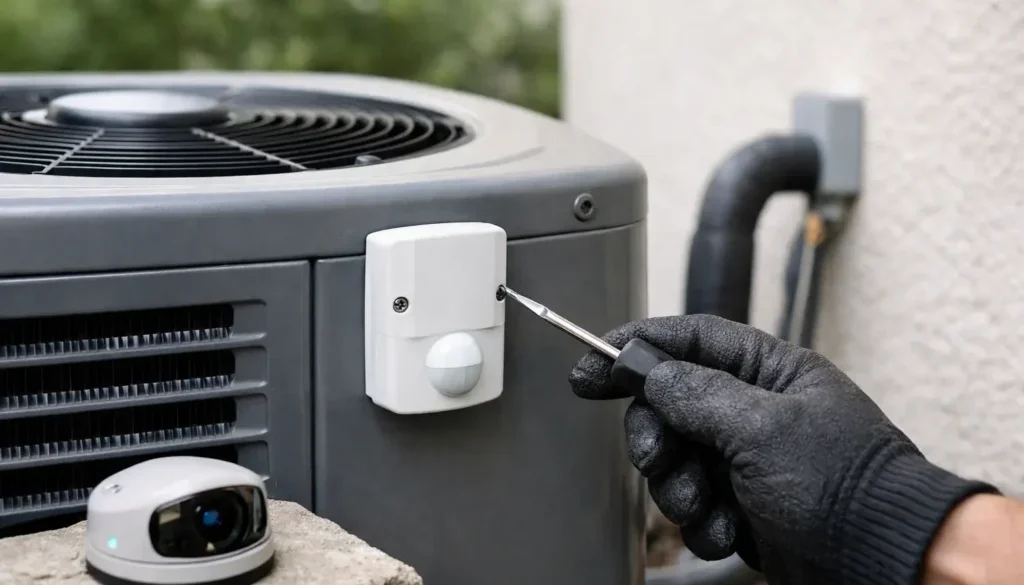
The sensor should be installed where it can reliably monitor the protected unit without interfering with normal service. The alarm connection must be configured so that an actual tamper condition activates the intended response. If the property uses central monitoring, the alarm zone should be identified clearly enough that responders know the event involves HVAC equipment rather than a generic trouble signal.
Coordination between the alarm contractor and HVAC contractor is especially valuable. The HVAC professional understands the refrigerant circuit and service procedures. The alarm professional understands supervised circuits, panel programming, power connections, and reporting behavior. When those responsibilities are aligned, the property is less likely to face avoidable false alarms or a device that was never fully tested.
Testing should include more than confirming that the panel sees a circuit. Verify the power-loss logic, pressure-switch operation, siren activation, reporting path, and restoration behavior. Document the protected unit, the sensor location, the alarm zone, and the authorized personnel who can place the system in service mode. This record becomes important when service technicians, property managers, or new security vendors take over the account.
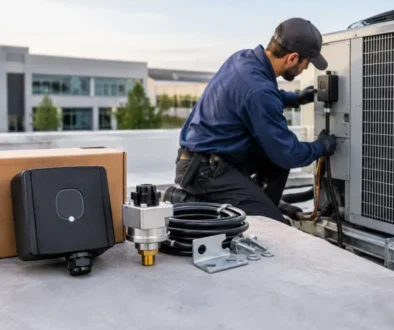
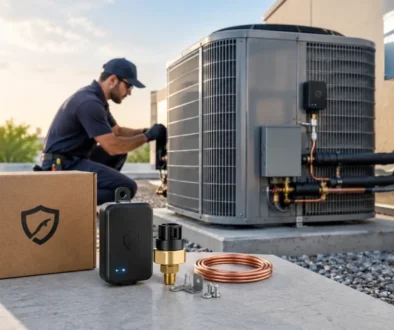
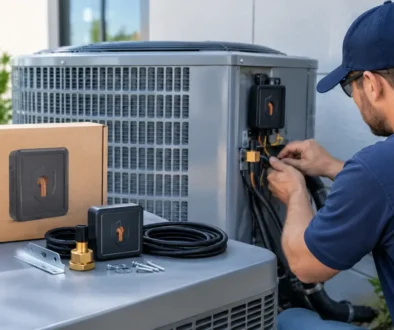
CopperWatcher™ CW-3 is built around this equipment-focused approach, monitoring electrical power and refrigerant pressure so the existing burglar-alarm panel can respond when conditions indicate an attempted A/C theft.
When a Tamper Sensor Is Most Valuable
An HVAC tamper sensor is particularly useful where replacement costs and downtime are high, but its value is not limited to large commercial sites. A single stolen coil can leave residents without cooling, close a small business, disrupt a classroom, or create a difficult insurance claim. Repeated theft can be worse because a property known for unprotected condensers may become a preferred target.
Schools, houses of worship, multifamily properties, retail sites, medical offices, vacant buildings, and facilities with multiple outdoor units should evaluate their exposure. The question is not simply whether the equipment contains copper. It is whether the property can absorb the operational disruption if that equipment is disabled overnight.
Physical measures still have a place. Cages, lighting, signage, camera coverage, and controlled access can increase the effort required to attack the unit. But physical barriers may not detect a cut line quickly enough, and cameras may only provide evidence after the damage is done. Equipment-based detection adds the immediate alarm response that those measures often lack.
A condenser is easiest to protect before it becomes a crime scene. If your site has exposed A/C equipment, treat early detection as part of the HVAC asset plan, not as an optional add-on after the next theft.