HVAC Asset Protection Against Copper Theft
A condenser theft rarely begins with a dramatic break-in. It often starts outside, after hours, when someone shuts off power to an exposed A/C unit and cuts the refrigerant lines for the copper inside. By the time the theft is discovered, the property may be facing a disabled HVAC system, refrigerant loss, equipment damage, emergency service calls, and an avoidable interruption to business or tenant comfort. Effective HVAC asset protection focuses on stopping that sequence at its earliest possible point.
For facility managers, property owners, security professionals, and contractors, the issue is bigger than replacing stolen copper. A damaged condenser can leave a retail location uncomfortable, disrupt a school day, expose a vacant property to further crime, or create an expensive dispute with an insurer. Repeat theft is also common when a site remains unprotected after the first incident.
HVAC Asset Protection Starts Before the Copper Is Gone
Outdoor air-conditioning equipment is a predictable target because it is often isolated, accessible, and valuable to a thief who understands scrap-metal markets. Condensers behind a building, along a rooftop access path, near a dumpster enclosure, or beside a vacant suite may have little natural surveillance. Even a well-maintained property can have a weak point if the A/C equipment sits outside the normal view of staff, residents, or customers.
The operational sequence matters. A thief generally needs to shut down electrical power to the unit, then cut the copper refrigerant lines or remove components containing copper. These actions create a brief but valuable opportunity for detection. A security plan that only records the event after the unit has been stripped does not prevent the loss. It documents it.
That is why HVAC asset protection should be evaluated as an active detection problem, not simply a physical-hardening project. The best response identifies the conditions associated with a theft attempt and sends an immediate alarm through a system people already understand and respond to.
Why Cameras, Cages, and Lighting Are Not Enough Alone
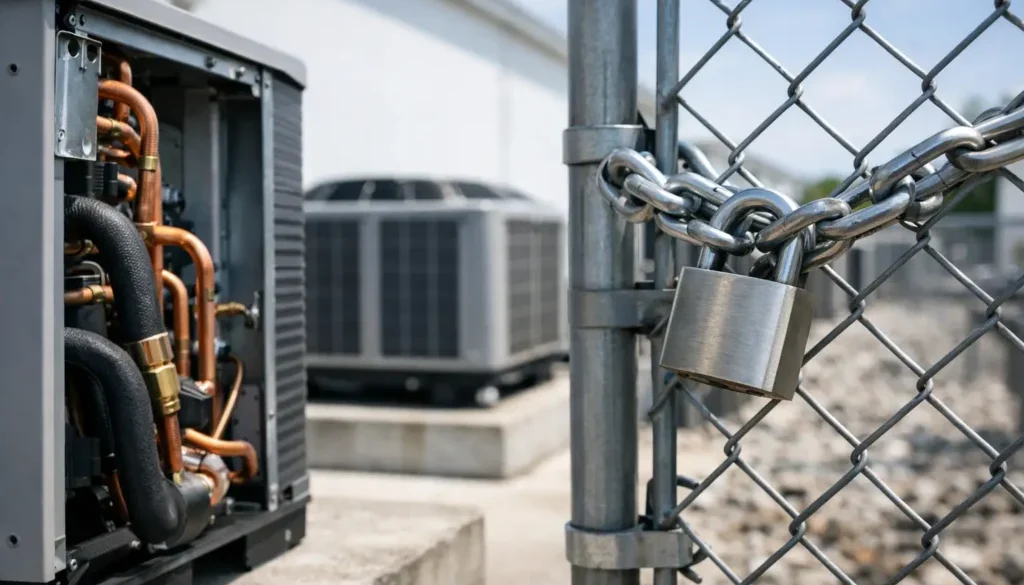
Physical barriers and visible security measures have a role. A properly designed cage can slow access to a condenser. Lighting can make a secluded service area less attractive. Cameras can support investigation, insurance documentation, and law-enforcement reporting. These measures are worth considering, especially at sites with recurring theft or broad perimeter-security concerns.
But each has limits. A cage may add cost, complicate HVAC service, or still be defeated with tools. Cameras depend on placement, visibility, recording quality, and someone reviewing or responding to an alert. Lighting is a deterrent, not a confirmation that a theft is underway. Motion detectors can create nuisance alarms near landscaping, loading areas, wildlife, or ordinary after-hours activity.
The strongest approach uses layers, with the alarm system focused on the equipment itself. Detection should relate directly to what happens when a thief compromises the condenser, rather than relying only on presence in the surrounding area.
Detect the Two Actions That Signal a Theft Attempt
A purpose-built A/C theft detection system should monitor the two conditions most closely tied to condenser theft: loss of electrical power at the unit and loss of refrigerant pressure when copper lines are cut. Used together, these signals create a more meaningful alarm decision than either condition alone.
A power interruption by itself does not always mean theft. Facilities intentionally shut down equipment for service, seasonal work, replacement, or testing. Utility outages also occur. Refrigerant pressure changes, likewise, need to be interpreted in the context of system operation and proper installation.
This is where intelligent logic matters. The system must distinguish an intentional shutdown from a local power failure that affects the property more broadly. Otherwise, a security measure can become a source of false alarms, unnecessary dispatches, and possible municipal fines. Reliable HVAC theft detection should alarm for a compromised condenser, not for every routine service event or neighborhood outage.
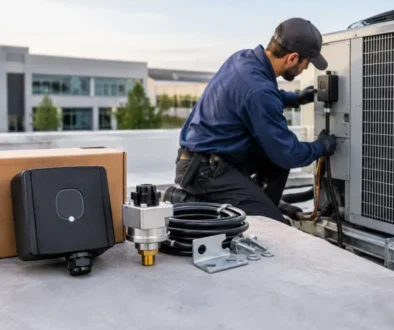
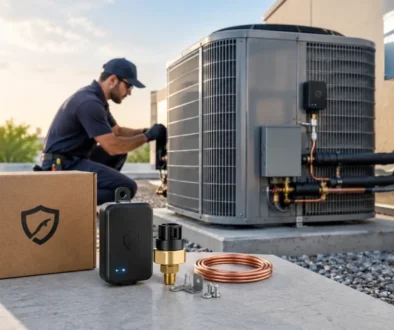
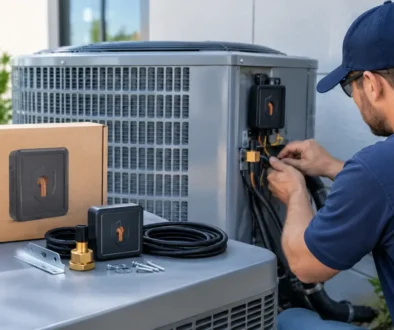
CopperWatcher CW-3 is designed around this early-stage approach. It monitors electrical power and refrigerant pressure at the A/C unit, then communicates compromised conditions to the existing burglar-alarm panel. When the panel activates the audible siren, the attempted theft receives immediate attention while the thief is still at the equipment.
Use the Existing Alarm Response Path
For many properties, the practical advantage of panel integration is simple: the alarm infrastructure, monitoring procedures, keyholder lists, and response expectations may already be in place. Rather than creating a separate security process that staff must remember to manage, the A/C theft detection device becomes part of the established burglary-alarm system.
An audible siren is particularly significant in copper theft prevention. Thieves work quickly and depend on limited attention. A loud alarm can disrupt the attempt at the moment power is interrupted or refrigerant lines are compromised. Depending on the property’s alarm configuration, the panel may also initiate its normal reporting and notification process.
This is not a substitute for sound access control, perimeter awareness, or a monitored alarm account where appropriate. It is a focused layer that gives the alarm system a direct reason to react when the HVAC asset is being attacked.
Prioritize HVAC Assets by Exposure and Consequence
Not every condenser presents the same risk, and not every unit has the same operational importance. A practical assessment starts with visibility, access, history, and impact.
Equipment behind fenced but poorly observed areas can remain highly vulnerable if the fence is easy to enter after hours. Units serving server rooms, medical spaces, occupied multifamily buildings, restaurants, classrooms, or essential retail operations deserve special attention because HVAC downtime can quickly become a business-continuity problem. Vacant buildings are also frequent targets because thieves expect delayed discovery and limited on-site response.
Look closely at units that have already been targeted. A prior theft attempt signals that offenders have identified the location, access route, and potential value. Replacing a coil without changing the protection strategy can leave the property exposed to the same loss again.
For campuses and multi-building portfolios, map each outdoor unit and document which alarm panel, zone, and response procedure applies to it. This helps security and maintenance teams identify gaps before an incident forces a rushed decision.
Installation and Service Planning Matter
A detection system is only as dependable as its installation, setup, and ongoing service practices. Licensed alarm and HVAC contractors should coordinate on the project so electrical connections, alarm-panel inputs, refrigerant-pressure components, and commissioning procedures are addressed correctly.
The installation plan should account for normal maintenance. Technicians need a clear process for placing protection in the appropriate service state before authorized work begins, then restoring protection once the unit is returned to operation. That process should be documented for HVAC vendors, alarm contractors, facilities staff, and property managers. Confusion during service can lead to unnecessary alarms or leave a completed job unprotected.
Pressure-switch setup also deserves careful attention. Refrigerant systems vary, and a device intended to recognize a cut line must be configured and tested according to the equipment and manufacturer instructions. A contractor should verify alarm-panel communication during startup rather than assuming a completed wiring connection guarantees a usable alarm event.
For larger sites, it is wise to include HVAC theft detection in scheduled alarm testing and seasonal mechanical inspections. This gives the property a recurring opportunity to confirm that the condenser, detection device, panel zone, siren, and monitoring path continue to work as intended.
Measure Protection by the Time It Buys You
The value of A/C theft detection is not limited to the replacement cost of copper. It can reduce the likelihood of coil damage, refrigerant release, compressor exposure, emergency labor, tenant complaints, lost operating hours, and the sense that a property is an easy target. It may also help limit the cascading costs that follow a theft, including temporary cooling measures and insurance administration.
No security system can guarantee that every criminal act will be prevented. A determined offender may still cause damage, and each property has different risks, alarm infrastructure, and response capabilities. The goal is to make the theft attempt noisy, immediate, and difficult to complete before someone can respond.
A condenser can be repaired after it is stripped, but the better outcome is keeping a cut line, a silent shutdown, and a costly overnight loss from becoming the first sign that your HVAC asset needed protection.