Power Outage Alarms for A/C Theft Prevention
A dark condenser pad after a neighborhood utility failure should not trigger the same response as someone shutting off power to steal copper. That distinction is the central challenge with power outage alarms for outdoor A/C equipment. Property owners need immediate warning when a thief disables a condenser, but they also need a system that recognizes a genuine local power interruption before it creates a false alarm, an unnecessary dispatch, or a municipal fine.
For facilities with exposed condensers, this is not a minor programming detail. Copper theft can put air conditioning out of service for days, damage connected equipment, disrupt tenants and customers, and force an owner into emergency HVAC and insurance work. Effective alarm logic must help stop the theft attempt early while remaining dependable when the grid is the actual problem.
Why A/C Thieves Shut Off Power First
Most condenser thefts involve more than the removal of visible copper. A thief commonly shuts off electrical power at the local disconnect before cutting refrigerant lines or removing a coil. Disabling power reduces the immediate hazard to the thief and makes it easier to work without an operating unit drawing attention.
That shutdown is a valuable early warning event. If an alarm system can recognize that a condenser has been intentionally de-energized, it can activate the property’s existing burglar-alarm infrastructure before the thief has time to cut tubing, drain refrigerant, or remove copper-bearing components.
A basic loss-of-power signal, however, is not enough by itself. Commercial sites, schools, apartment communities, churches, retail properties, and homes all experience legitimate utility interruptions. A system that treats every power outage as a theft event will eventually create nuisance activations. Those activations can undermine confidence in the security system, consume staff time, and expose the property to false-alarm penalties.
What Power Outage Alarms Must Distinguish
The best power outage alarms do not merely report that voltage disappeared. They apply logic to determine whether the loss of power is isolated to the protected A/C unit or is part of a broader outage affecting the property or surrounding area.
An isolated event deserves attention. For example, if the building still has utility power but the condenser disconnect is switched off, the condition may indicate tampering. The same is true when a thief cuts power at the unit while the rest of the site remains energized. That is precisely the type of event an A/C theft prevention system should communicate to the burglar-alarm panel.
A local or widespread utility outage is different. During a storm, transformer failure, scheduled electrical work, or neighborhood outage, the unit may lose power through no fault of the property. Triggering an intrusion alarm in that situation creates noise without improving protection. Smart outage logic suppresses or manages that condition rather than treating it as proof of a theft attempt.
This distinction matters especially at unattended sites. Vacant properties, remote equipment yards, seasonal buildings, and facilities closed overnight may not have anyone available to verify an alarm immediately. The alarm system must provide useful information, not just more alerts.
The Alarm Panel Still Has a Job to Do
A specialized A/C protection device is most effective when it works with the existing burglar-alarm panel instead of trying to replace it. The panel already provides the familiar response path: audible siren, central-station communication where available, notification procedures, and established site security practices.
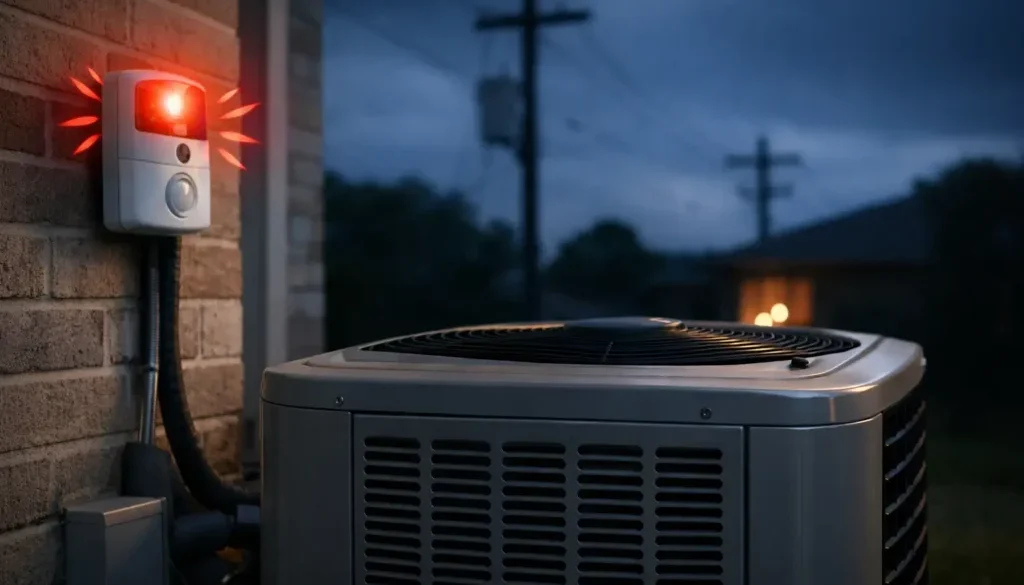
When a protected condenser is intentionally shut down, the device can send an alarm condition to the panel. The siren draws immediate attention to activity at the unit, which is often the most effective way to interrupt a theft before major damage occurs. Thieves depend on time, quiet, and limited visibility. An audible alarm removes at least one of those advantages.
The panel also allows alarm contractors to incorporate condenser protection into a larger security design. A site may have door contacts, motion detection, cameras, access control, and monitored burglary zones. Adding a properly supervised A/C theft zone gives the owner a response to a risk that general perimeter protection may not catch until too late.
Power Loss Is Only One Part of the Theft Pattern
A thief can disable the condenser and then cut refrigerant lines. That second action creates a different condition: loss of refrigerant pressure. Monitoring both power and pressure provides a more complete view of what is happening at the outdoor unit.
This dual-condition approach is important because either signal alone has limitations. Power loss can result from a legitimate outage, a tripped breaker, scheduled maintenance, or an HVAC service call. Pressure changes can occur for mechanical reasons and must be configured and interpreted correctly. Together, power status and refrigerant-line pressure provide stronger evidence of the sequence associated with copper theft.
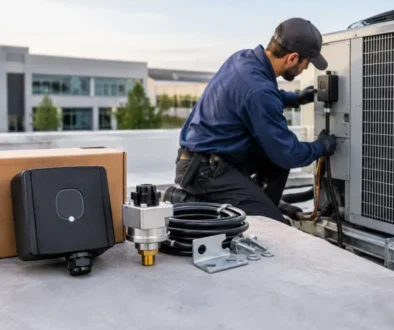
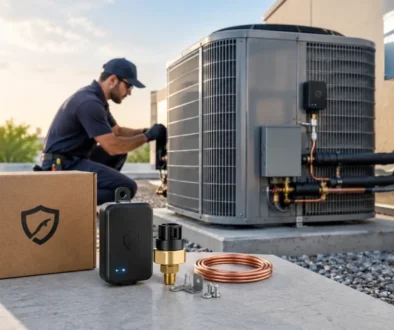
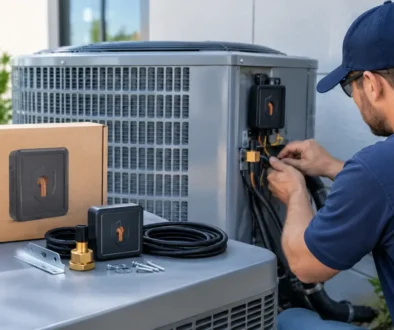
CopperWatcher CW-3 is designed around those two core actions: shutting off electrical power and cutting copper refrigerant lines. Its logic distinguishes an intentional shutdown from a local power outage, then communicates compromised conditions to the property’s existing burglar-alarm panel. The purpose is direct: detect the attempt as early as possible, before a coil is removed and the property is left with expensive damage.
Designing a Dependable A/C Alarm Zone
The device is only part of the solution. Reliable protection begins with an accurate assessment of the equipment and the site. A contractor or facility manager should identify every condenser that presents a practical theft target, including units behind buildings, along poorly lit fence lines, on roofs with uncontrolled access, and at vacant suites.
The protected zone should account for how each unit is powered. Disconnect locations, breaker arrangements, shared electrical circuits, and panel backup all affect how a power-loss condition should be handled. If multiple condensers serve one building, each high-risk unit may require its own monitored point rather than a single broad signal that cannot identify where the problem occurred.
Pressure monitoring also requires HVAC knowledge. The pressure switch must be appropriate for the refrigerant circuit and installed according to the equipment and system requirements. It should not be treated as a generic accessory. Improper setup can create avoidable service issues or unreliable alarm behavior, which is why alarm and HVAC professionals are often strongest when they coordinate the installation.
Before placing the system into service, test the actual alarm path. Verify that an intentional local disconnect creates the expected panel response. Confirm that the panel, siren, communicator, and notification procedures are operating as intended. Then verify how the system behaves during a broader loss-of-power scenario. A protection plan is only as useful as its tested response.
Avoiding Nuisance Alarms Without Ignoring Risk
Nuisance alarms are not simply inconvenient. Repeated false activations can lead employees, tenants, neighbors, or responding parties to discount a future alarm. They can also create costs through dispatches, local fines, and unnecessary service visits.
The answer is not to leave the condenser unprotected. It is to use detection built for the actual theft method and configure it around the property’s electrical and HVAC conditions. Smart outage discrimination gives the system a way to recognize the difference between an isolated shutdown at the condenser and a genuine power event affecting the site.
Facilities should also document who is authorized to turn off HVAC equipment. Scheduled service, emergency repairs, seasonal shutdowns, and tenant improvements can all involve intentional power interruption. A clear procedure for placing a zone on test or coordinating with the alarm provider prevents legitimate work from becoming an avoidable alarm event.
Where This Protection Delivers the Most Value
Power-aware A/C theft detection is especially valuable where replacement cost and downtime are high. A retail store can lose customer comfort during the hottest part of the year. A multifamily property may face tenant complaints across several units. A school, house of worship, or community facility can lose use of critical spaces while replacement equipment is sourced and installed.
The risk is also often repeatable. Once thieves identify an accessible condenser with valuable copper and limited protection, the location may remain a target. Repairing the coil without addressing detection leaves the owner exposed to another loss. Prevention changes that calculation by making the first stages of the attempt visible and audible.
For contractors, the opportunity is equally practical. A/C theft protection can be specified alongside alarm upgrades, HVAC replacements, vacant-property turnover work, and security improvements after a loss. It gives customers a focused answer to a specific exposure without requiring them to abandon their existing burglar-alarm investment.
A condenser does not need to disappear for a theft attempt to become costly. Once power is shut off and refrigerant lines are cut, the damage is already underway. The right alarm strategy gives property owners a chance to make that moment loud, visible, and far less profitable for the thief.