CW-3 Product Review: Practical A/C Protection
A condenser theft event rarely begins with the coil disappearing. It begins with access to the unit, a power interruption, or a cut refrigerant line – actions that can leave a property facing HVAC downtime, repair costs, tenant complaints, and an urgent service call. This CW-3 product review examines whether the CopperWatcher™ CW-3 addresses that early stage of an attempted theft in a practical, usable way.
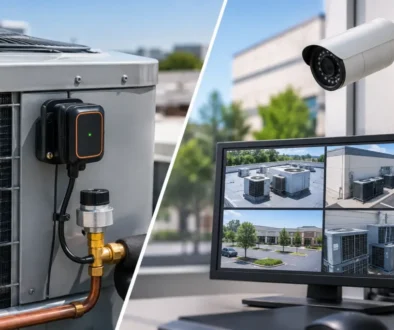
The short answer is that the CW-3 is purpose-built for a narrow but costly security problem: protecting outdoor A/C condensers and their copper components. Rather than treating the condenser as an isolated asset, it connects theft detection to the property’s existing burglar-alarm system. That approach matters for facilities that need immediate attention at the point of an attempted theft, not simply a record of damage after the fact.
What the CW-3 Is Designed to Do
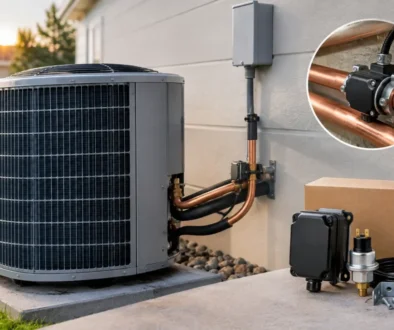
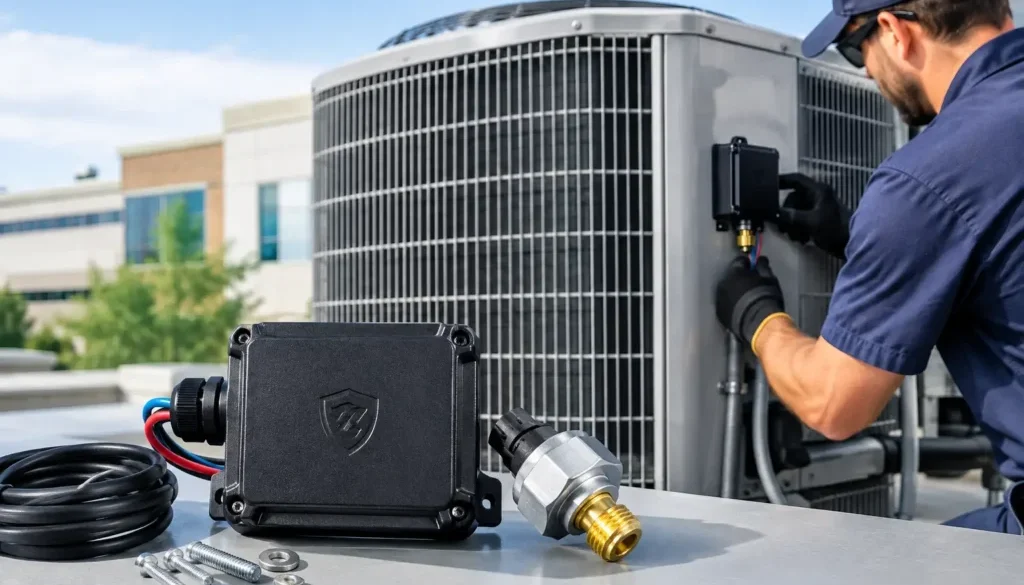
The CW-3 monitors two conditions associated with common A/C theft attempts: electrical power at the condenser and refrigerant pressure. A thief may disable power before working on the unit, while cutting refrigerant lines changes the pressure condition within the HVAC system. By monitoring both, the device is designed to recognize suspicious activity earlier in the sequence of events.
When the monitored conditions indicate a theft attempt, the CW-3 communicates with the existing burglar-alarm system. This allows the alarm siren to bring immediate attention to the activity. For a business, school, multifamily property, house of worship, retail site, or vacant building, that response can be more useful than a standalone notification that depends on someone noticing an alert later.
The product is not a replacement for a complete alarm system, HVAC maintenance, lighting, perimeter controls, or a law-enforcement response. Its role is specific: add targeted detection at the outdoor A/C unit and use the alarm infrastructure already protecting the property.
CW-3 Product Review: The Dual-Monitoring Difference
The most meaningful feature of the CW-3 is not simply that it sounds an alarm. Many security devices can trigger an alarm after a circuit is opened or equipment is disturbed. The CW-3 is designed around the particular conditions present at an operating A/C condenser.
Monitoring electrical power alone can create a practical problem. Condenser power may be intentionally shut off for legitimate HVAC service, seasonal shutdowns, or other approved work. It can also be affected by a broader local power outage. A system that reacts to every loss of power without context can generate nuisance alarms, frustrate property staff, and potentially create municipal false-alarm concerns.
The CW-3 addresses this challenge by intelligently evaluating power and refrigerant pressure conditions. Its design helps distinguish an intentional A/C shutdown from a local power outage, reducing the likelihood that an ordinary outage becomes an unnecessary alarm event. That distinction is especially valuable for facilities with multiple condensers, remote sites, or a history of alarm dispatches that must be carefully managed.
Pressure monitoring adds another layer of detection tied directly to the refrigerant lines thieves commonly target. If a refrigerant line is cut, the resulting condition can initiate an alarm response through the connected burglar-alarm panel. The goal is not to document a completed loss. The goal is to interrupt the attempt as early as possible.
This dual-monitoring approach is the central reason the CW-3 fits a different role than a generic outdoor contact, motion sensor, or camera-only strategy. Those tools may still have a place in an overall security plan, but they do not necessarily monitor the operational signals that indicate a condenser is being targeted.
Where the CW-3 Fits Best
The CW-3 is most compelling where a damaged condenser would create immediate financial or operational consequences. A retail store may need dependable cooling for customers and inventory. A multifamily property may face resident complaints and emergency repair coordination. Schools, religious institutions, and community organizations often have outdoor equipment that is accessible after hours and difficult to watch continuously.
Vacant properties are another practical application. An unoccupied building can be especially vulnerable because a condenser can be approached without staff nearby to notice unusual activity. At the same time, a vacant site may not justify building a separate security system solely for the HVAC equipment. Integrating condenser protection with an existing burglar-alarm system gives the property owner a more direct path to coverage.
Homeowners with exposed condensers can also benefit when their alarm system and installation conditions support the application. The value calculation depends on the unit’s visibility, prior incidents in the area, access to the yard, insurance considerations, and the disruption that would follow an A/C outage. The CW-3 is not a one-size-fits-all answer, but it is a focused option for homeowners who want their alarm system to respond to threats at the condenser.
Installation and Integration Considerations
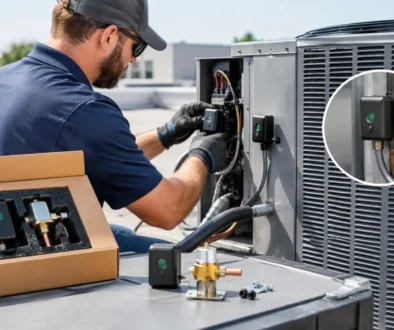
For security and HVAC professionals, the CW-3’s value is closely tied to proper installation. It is intended to work with a property’s existing burglar-alarm infrastructure, which means the installer should evaluate the alarm panel, available zones, wiring path, condenser configuration, and pressure-switch setup before starting work.
Licensed alarm contractors and security integrators will recognize the advantage of adding a defined theft-prevention layer without replacing the customer’s alarm panel. HVAC contractors can also identify applications where repeated coil loss, exposed equipment, or customer concern makes early detection worth discussing. The installation should follow the applicable product documentation, wiring references, startup procedures, and local requirements.
Coordination between the alarm and HVAC sides of the job is important. HVAC service personnel need to understand how planned shutdowns and service work interact with the protection system. Alarm technicians need to confirm proper panel connection and alarm reporting behavior. Clear handoff procedures help ensure that routine maintenance does not become a source of avoidable alarm activity.
For property managers, the practical question is simple: who will own the process after installation? Someone should know how to place the system in the appropriate mode for scheduled HVAC work, restore protection afterward, and communicate with contractors arriving on site. That small operational discipline supports reliable performance over time.
Benefits That Matter After the Installation
A product like the CW-3 should be judged less by a feature list and more by the problems it helps a property avoid. The first is potential loss of copper coils and refrigerant-line components. The second is downtime while an HVAC contractor diagnoses damage, orders parts, and completes repairs. The third is the cascading disruption that follows when cooling is unavailable during occupied hours or extreme weather.
There is also a security-management benefit. Connecting condenser protection to the existing burglar-alarm system lets a property use a response method its staff, monitoring provider, and alarm contractor already understand. The alarm siren can draw attention immediately, while the panel can handle the event within the broader security setup.
That does not mean every attempted theft will be stopped. Site layout, response time, access points, and human behavior all affect outcomes. What the CW-3 provides is earlier detection tied to actions that occur during an attempted A/C theft, giving the property a better opportunity to deter the activity before major loss occurs.
Is the CW-3 the Right Choice?
The CW-3 is a strong fit for properties that already have, or plan to install, a burglar-alarm system and want targeted protection for outdoor A/C equipment. It is particularly relevant when a condenser is accessible, expensive to repair, difficult to replace quickly, or essential to daily operations.
It may be less suitable for a property that cannot support alarm-panel integration or lacks a workable installation path to the condenser. In those cases, the first step may be evaluating the broader alarm system, physical access controls, and HVAC equipment layout. The product works best as part of a considered protection plan, not as an isolated afterthought.
For contractors, the CW-3 creates a practical service conversation. Instead of telling a customer only that their condenser is exposed, a contractor can specify a purpose-built method for detecting power interruption and refrigerant-line cutting through the alarm system already on site.
A/C theft prevention is most effective when it is planned before an incident forces a rushed repair decision. For property owners and professionals responsible for exposed condensers, early detection can turn a vulnerable piece of equipment into an active part of the property’s security strategy.