Pressure Switch AC Alarm Setup That Works
A thief does not need much time to turn an outdoor condenser into a major repair bill. Once refrigerant lines are cut, the loss extends beyond scrap copper: the property may face a damaged coil, refrigerant release, emergency HVAC service, tenant complaints, business disruption, and a system that cannot cool when it is needed. A properly planned pressure switch AC alarm setup is designed to recognize that line-cutting event early enough to bring attention to the theft attempt.
For properties with exposed condensers, pressure monitoring is not an accessory to a security plan. It is a direct way to detect one of the actions that makes A/C copper theft possible.
What a pressure switch adds to A/C theft detection
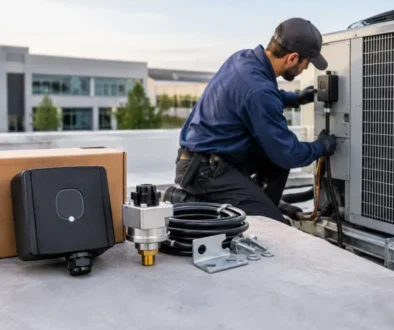
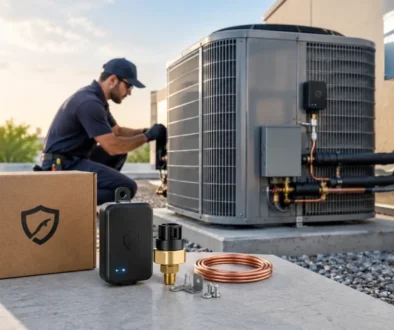
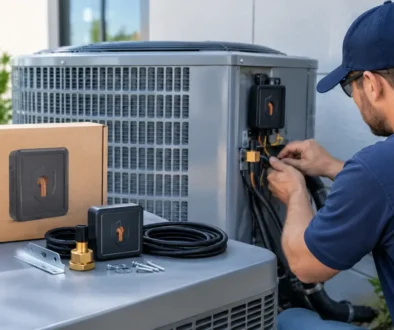
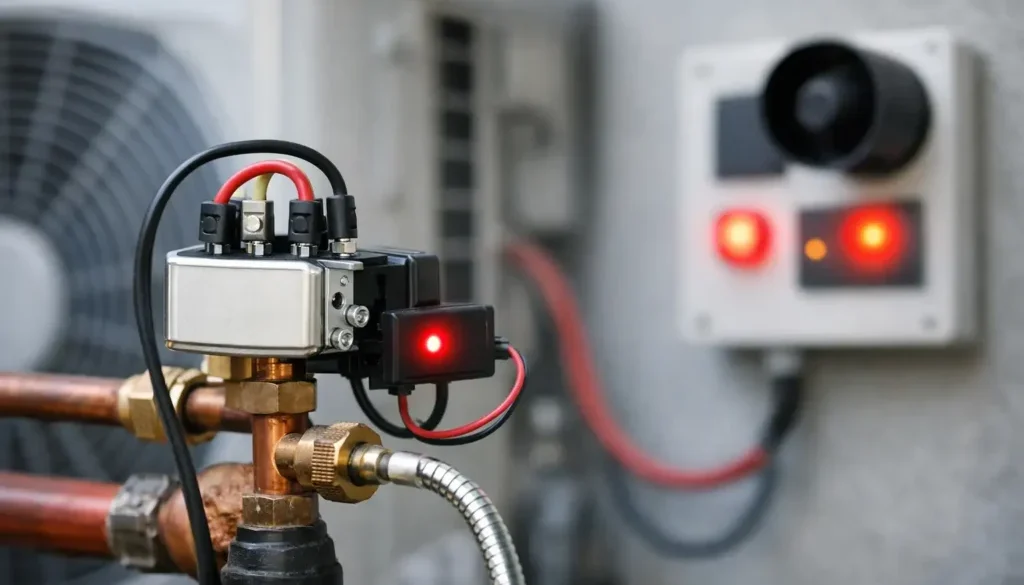
An operating air-conditioning system contains refrigerant under pressure. When a thief cuts the copper refrigerant lines, system pressure drops rapidly. A pressure switch can monitor that condition and change state when the pressure falls below its configured threshold. Connected to a compatible burglar-alarm panel, that state change can initiate an alarm response.
This approach addresses a basic limitation of perimeter-only security. A camera may record the crime. A fence may slow access. Neither necessarily detects the moment the refrigerant circuit is opened. Pressure-based detection focuses on the protected asset itself.
The best setup also accounts for electrical power. Copper thieves commonly shut off disconnects or power before cutting lines. Monitoring pressure alone can leave a gap if the equipment is intentionally de-energized before the refrigerant circuit is compromised. Monitoring power alone can create nuisance alarms during a legitimate outage. The system logic must evaluate both conditions in a way that reflects how theft actually occurs.
CopperWatcher CW-3 uses this combined approach, monitoring condenser power and refrigerant pressure while communicating compromised conditions to the existing burglar-alarm panel. The purpose is straightforward: sound the property alarm as early in the theft attempt as possible without treating every utility interruption as a theft event.
Start with the actual risk at the condenser
A pressure switch AC alarm setup should begin with a site assessment, not a wiring diagram. The installer or facilities team should identify which outdoor units are exposed, whether they are visible from the street, how quickly someone can reach the disconnect, and whether the site has experienced theft or attempted theft before.
A ground-level condenser behind a retail strip, a bank of units at a vacant building, and rooftop equipment at a school do not present the same risk. Ground-level units with limited natural surveillance are often the most immediate concern. Yet rooftop units can also be vulnerable when access points are poorly controlled or the property is unoccupied overnight.
Review the alarm panel before selecting the monitoring method. Confirm that there is an available zone or compatible input, understand whether the panel expects a normally open or normally closed circuit, and determine how the event should be reported. In many commercial environments, the preferred result is an immediate audible alarm plus central-station reporting when that service is in place.
The alarm response should be proportionate to the site. A high-risk vacant property may warrant immediate full alarm activation. A staffed facility may also use panel programming to notify designated personnel. What should not happen is a pressure event being logged quietly with no timely response while the thief finishes removing material.
Select the right pressure-switch operating point
The pressure switch must be appropriate for the refrigerant system and the expected operating conditions. This is not a universal setting that can be copied from one condenser to another. Refrigerant type, system design, ambient temperature, equipment condition, and the location where pressure is sensed all affect what normal pressure looks like.
The objective is to identify an abnormal loss of refrigerant pressure caused by a cut line while avoiding activation during normal operation, routine service, or expected off-cycle conditions. Setting the threshold too high may produce nuisance alarms. Setting it too low may delay detection or fail to recognize a meaningful pressure loss soon enough.
For that reason, pressure-switch selection and adjustment belong with qualified HVAC and alarm professionals who understand the equipment being protected and the alarm interface being used. The pressure component should be installed in accordance with the equipment and sensor manufacturer requirements. Refrigerant work must be performed by properly qualified personnel.
A practical setup includes documentation of the protected unit, refrigerant type, switch model, installation location, normal observed conditions, and final tested alarm behavior. That record matters later when a new technician services the unit, a property changes hands, or an alarm event must be investigated.
Avoid treating normal service as a theft event
Service activity is one of the main reasons security devices get bypassed and never restored. If technicians need to perform planned HVAC work, they need a defined process for placing the related alarm zone on test or bypass, completing the work, restoring protection, and verifying normal status before leaving.
This process should be assigned, not assumed. A facilities manager, alarm company, or authorized service contact should know who can place the system on test and who confirms that protection is back online. A handwritten note on a disconnect is not a reliable control.
Integrate pressure and power conditions intelligently
A pressure switch by itself identifies a pressure condition. A theft-prevention system must determine what that condition means in context. That is where power monitoring and alarm logic become essential.
Consider two different events. In the first, a neighborhood utility outage interrupts power to several buildings. The condenser loses power, but its refrigerant lines remain intact. In the second, someone locally turns off the condenser disconnect and then cuts the copper lines. Both events involve loss of power at the unit, but only one is a likely theft attempt.
A properly designed system distinguishes a local shutdown from a broader utility failure. This reduces false alarm exposure, a serious issue for any property that can face municipal fines, alarm-response fatigue, or strained relationships with responding agencies. False-alarm prevention is not merely a convenience feature. It protects the credibility of the alarm system when a real event occurs.
The exact sequence and timing logic depend on the protection device, panel configuration, and site conditions. Do not defeat that logic by simplifying installation into an ordinary single-contact zone without confirming how the device is intended to operate. Follow the manufacturer’s wiring documentation and use the appropriate supervised connection method where required by the alarm panel.
Test the complete alarm path, not just the switch
An installation is not complete when the pressure switch is mounted and the conductors are landed. The complete path must be tested: the monitored condition, the protection device, the panel zone, the annunciation, and the communications path if the system reports to a central station or monitoring app.
Testing should verify that a simulated pressure-loss condition produces the intended alarm response and that normal equipment operation does not create an unwanted event. It should also verify the intended behavior for a power interruption. The goal is not simply to make the panel show a zone change. The goal is to confirm that the system handles expected conditions correctly and reacts decisively to a likely theft sequence.
Keep the test controlled. Do not vent refrigerant or damage the A/C system to prove the alarm works. Qualified installers should use the device manufacturer’s approved test procedure and coordinate testing with the property owner, monitoring center, and any occupants who could be affected by audible alarm activation.
After commissioning, label the protected equipment and update site records. A service technician arriving months later should be able to identify that the condenser is alarm-protected before disconnecting power or opening the refrigeration circuit.
Common setup mistakes that weaken protection
The most costly mistake is relying on a pressure switch without considering the power-disconnect step that often precedes a line cut. Another is installing a technically capable device but failing to connect it to a response people can hear or act on.
Poor documentation creates a slower but equally damaging failure. If nobody knows which zone protects which condenser, routine HVAC work may trigger alarms, or protection may be left disabled after service. Likewise, choosing a switch point without verifying actual system behavior can turn a useful theft sensor into a recurring nuisance.
Physical protection still has value. Cages, lighting, camera coverage, and controlled access can raise the effort required to reach a unit. But those measures work best alongside active detection. A determined thief may cut through a cage or work outside a camera’s useful response window. An alarm tied to the refrigerant circuit addresses the moment the equipment is being compromised.
When to involve HVAC and alarm contractors
Most property owners should treat this as a coordinated HVAC and security project. The HVAC contractor understands refrigerant-system conditions and service requirements. The alarm contractor understands panel zones, supervision, signaling, and local false-alarm requirements. On smaller sites, one qualified contractor may manage both scopes, but the responsibilities should still be clear.
Contractors should confirm the protected equipment is operating properly before commissioning theft detection. A condenser with an existing refrigerant leak, unstable pressure behavior, or unresolved electrical faults needs mechanical repair first. Security monitoring cannot correct a failing HVAC system.
For portfolios with multiple buildings, standardize the documentation and testing process across sites. Consistent zone naming, equipment labeling, service procedures, and periodic inspection make protection easier to maintain as staff and vendors change.
A pressure switch AC alarm setup earns its value at the worst possible moment: when someone reaches the condenser with the intent to cut it apart. Give that moment an immediate, credible alarm response, and make sure every person responsible for the property knows how to keep that protection active.