Pressure Switch Configuration Guide for A/C Security
A refrigerant-line cut can leave a property with more than a damaged condenser. It can create HVAC downtime, costly coil or equipment replacement, occupant discomfort, and an urgent service call. A properly planned pressure switch configuration guide helps security and HVAC professionals turn a meaningful pressure loss into an early alarm event while avoiding avoidable nuisance alarms.
For A/C theft protection, the goal is not simply to monitor pressure. The goal is to recognize the condition that matters: a sudden or abnormal refrigerant-pressure change associated with a compromised line, then communicate that condition to the existing burglar-alarm system quickly and reliably. That requires attention to the HVAC system’s normal operating behavior, the security panel’s zone programming, and the property’s real-world operating schedule.
What a Pressure Switch Must Accomplish
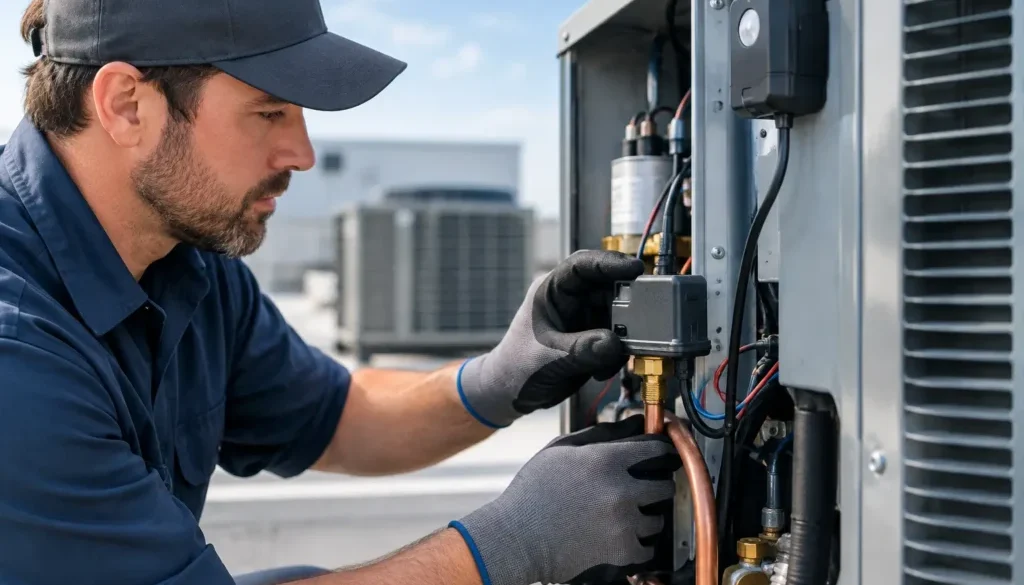
A pressure switch is a decision point. It changes electrical state when refrigerant pressure moves past its intended threshold. In a theft-detection application, that state change can be used to signal a security panel when refrigerant pressure indicates a possible line cut or other unauthorized loss of charge.
The configuration challenge is that an A/C system does not hold one identical pressure all day. Pressure changes with outdoor temperature, whether the compressor is running, the unit’s load, and the amount of time the system has been off. A setting that appears appropriate during an afternoon service visit may behave differently during a cool night, a seasonal shutdown, or a power interruption.
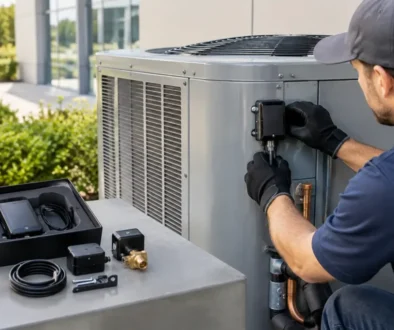
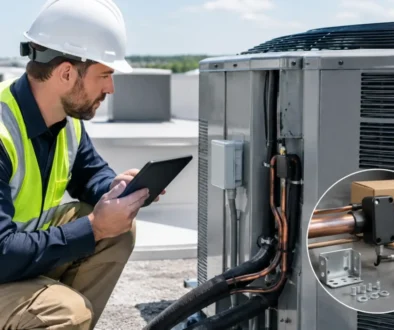
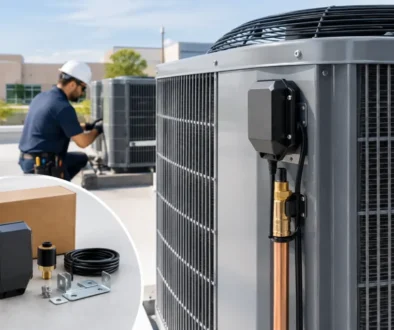
That is why a pressure switch should not be treated as a stand-alone theft alarm. It is one part of an integrated detection strategy. CopperWatcher™ CW-3 is designed to monitor both electrical power and refrigerant pressure because the two primary actions in a condenser theft attempt often involve shutting off power and cutting refrigerant lines. Evaluating these conditions together helps the system distinguish a purposeful shutdown from a local power outage and supports more informed alarm reporting.
Pressure Switch Configuration Guide: Start With Normal Conditions
Before selecting or adjusting any pressure-based alarm point, document how the protected equipment behaves under normal conditions. This baseline work protects the customer from a configuration that is too insensitive to identify a meaningful pressure loss or too reactive to routine HVAC operation.
Establish normal running and off states
Measure and record the system’s normal pressure condition according to the applicable equipment documentation and established HVAC service practices. The important question is not only what pressure is present while the condenser is operating. You also need to understand what occurs after the equipment cycles off and equalizes.
A pressure-based security signal may need to remain stable through normal compressor cycling, scheduled setbacks, and expected changes in ambient conditions. If a switch is configured without considering the off-cycle condition, it can change state during normal operation and create repeated trouble or alarm events.
The type of equipment also matters. A single condenser serving a small storefront has a different operating profile from equipment serving a multifamily building, school, or large commercial facility. Refrigerant type, control sequence, capacity, and seasonal use all affect the acceptable configuration range. Use the unit manufacturer’s specifications and the pressure-switch documentation rather than transferring values from an unrelated installation.
Define what the event should mean
The security team and HVAC team should agree on the intended response before wiring or programming the alarm zone. Is a pressure-switch state change meant to create an immediate burglary alarm? Is it a supervisory condition that dispatches a monitoring response? Should it activate only when the site is armed, or should it remain active whenever equipment is exposed?
There is no universal answer. A vacant property may need a different response than an occupied retail location with technicians routinely servicing rooftop or ground-level equipment. The best configuration balances the need for early detection against the operational impact of an unnecessary dispatch.
A pressure event should also be considered alongside power status. An intentional A/C shutdown, for example, may be expected during maintenance. A power-loss condition affecting the broader property is different from a localized interruption at the condenser. When these conditions are evaluated together, the alarm system has better context for deciding whether the event indicates a possible theft attempt.
Configure the Security-Panel Interface Carefully
Pressure detection only adds value when the alarm panel receives and interprets the signal correctly. Licensed alarm contractors should follow the applicable panel documentation, local code requirements, and the device wiring instructions for the selected installation.
Confirm whether the panel expects a normally open or normally closed circuit and program the zone to match the actual field wiring. A mismatch can result in a permanent fault, a zone that cannot restore, or a condition that reports the opposite of what the installer intended. Where end-of-line supervision is required, install and locate the resistor exactly as specified by the panel manufacturer.
Zone labeling deserves more attention than it usually receives. A clear description such as “A/C Refrigerant Pressure – South Condenser” gives the monitoring center, facility contact, and responding technician useful information. “Zone 12” does not. If a site has multiple condensers, identify the protected unit by building, side of the property, or equipment tag.
Avoid placing pressure detection on a zone type that masks or delays the event without a deliberate reason. Entry and exit delays, for example, may be appropriate for doors but can be a poor fit for an exposed condenser. At the same time, an immediate alarm configuration should be reserved for conditions the property owner and monitoring provider have agreed are actionable.
Test the Entire Detection Path
A configuration is not complete when the switch changes state. It is complete when the correct condition is detected, the control communicates with the burglar-alarm panel, the panel reports the intended event, and the responsible party knows what action to take.
Test at commissioning and document the results. This includes verifying normal operation, the expected pressure-related change, restoration to normal state, local annunciation where applicable, and central-station reporting if the system is monitored. Perform testing in a way that protects the refrigeration circuit and follows accepted HVAC procedures. Do not vent refrigerant, defeat safety controls, or create a leak simply to prove an alarm point.
A useful acceptance record includes the equipment identification, installation date, responsible contractor, panel zone number, zone description, normal state, alarm state, and the person who received the test notification. This record is especially valuable on properties with staff turnover or recurring HVAC vendors.
Common Configuration Errors That Create Trouble
Most pressure-monitoring problems are not caused by the concept of pressure detection. They come from assumptions made during installation or from changes made later without retesting.
- Setting a threshold from a single reading instead of evaluating normal operating and off-cycle conditions.
- Programming the alarm panel for the wrong circuit state or leaving zone labeling too vague for a useful response.
- Treating a scheduled shutdown or planned HVAC service as an alarm failure rather than coordinating it with the security system.
- Skipping central-station and restoration testing after installation, panel replacement, HVAC repair, or seasonal startup.
- Allowing unqualified personnel to alter refrigerant-side components, switch settings, or alarm wiring without documentation.
The remedy is straightforward: assign responsibility. The HVAC contractor should own refrigerant-system considerations, while the alarm contractor should own panel integration and reporting behavior. On a combined security project, both should confirm the final sequence of operation with the property representative.
Plan for Service, Seasons, and Property Changes
Pressure switch configuration is not a one-time task that can be forgotten after commissioning. Equipment is serviced, refrigerant circuits are repaired, alarm panels are upgraded, and properties change hands. Each event can affect the original assumptions behind the security configuration.
Make A/C theft detection part of the maintenance conversation. Before planned HVAC work, identify whether the protected unit will be shut down, isolated, or opened. Coordinate temporary alarm handling through the authorized security contact, then verify full protection after the work is complete. A system left bypassed after service provides no meaningful early warning.
Seasonal review is equally practical. A facility that operates cooling equipment continuously may need a different verification schedule than a school or religious institution with extended periods of reduced occupancy. Properties with exposed condensers, repeat vandalism concerns, or limited after-hours visibility should give particular attention to testing their alarm communication path.
A well-configured pressure switch does not replace physical security, professional HVAC service, or a complete burglar-alarm system. It strengthens the property’s ability to recognize a condition associated with copper theft early enough to create a response. When the HVAC and security sides of the installation are configured together, property owners gain a more dependable layer of protection for the equipment they rely on every day.