How to Audit HVAC Vulnerability at Your Property
An outdoor condenser can be fully operational at the end of the business day and leave a property without cooling, facing a repair bill, and managing occupant complaints by morning. Knowing how to audit HVAC vulnerability helps property owners identify where a copper theft attempt is most likely to succeed before a loss creates operational disruption.
This is a physical-security audit, not an HVAC performance inspection. The goal is to examine every exposed A/C condenser, understand how a thief could approach it, identify where detection may fail, and create a practical protection plan that fits the property’s existing alarm and HVAC infrastructure.
Start Your HVAC Vulnerability Audit at the Equipment
Begin with a current equipment inventory. Walk the site rather than relying only on mechanical drawings, especially at larger campuses, multifamily properties, retail centers, schools, and facilities that have added or replaced units over time. Record the location, unit type, approximate age, and whether each condenser serves a critical area.
A unit behind a restaurant, for example, may affect operations quickly if it is disabled. A condenser serving a vacant suite may be less urgent operationally, but its isolation can make it a more attractive target. Both conditions matter, but they call for different priorities.
For each unit, assess exposure from the street, parking lot, alley, adjacent property, and common areas. Consider what someone can see from outside the property and, just as important, what they can do without being seen. Condensers hidden behind landscaping, at the rear of a building, or in unlit service corridors often deserve closer attention.
Document these conditions with clear photos taken in daylight and after dark. A nighttime walk often reveals vulnerabilities that a daytime inspection misses, including failed lighting, blind spots, and gates that do not fully secure the equipment area.
Identify the Conditions That Raise Theft Exposure
Copper theft attempts commonly involve two actions: shutting off power to the condenser and cutting refrigerant lines. Your audit should look for conditions that make either action easy and allow an intruder enough time to work without interruption.
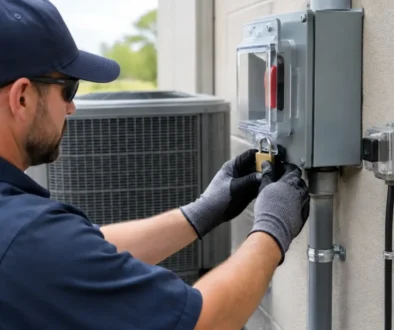
Pay particular attention to the disconnect box. Is it plainly accessible? Can a person reach it from outside a fence or enclosure? Is it located in a concealed area with no alarm coverage or visible activity? Accessibility does not automatically mean a unit is unprotected, but it should influence the level of detection and response planning.
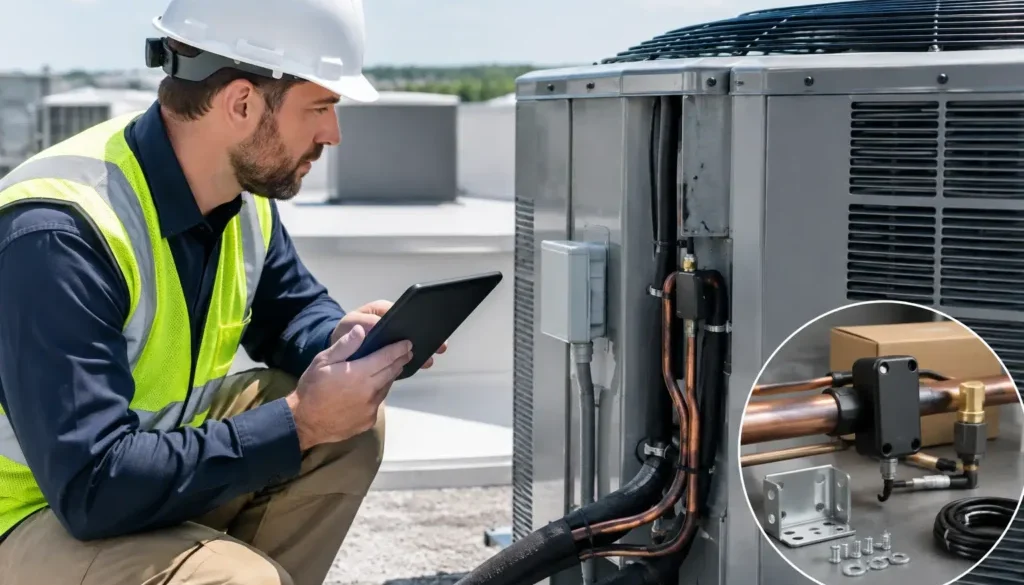
Then inspect the refrigerant lines and coil area. Exposed copper lines, especially those that can be reached from a public-facing walkway, alley, or open lot, increase vulnerability. Look for damaged line-set covers, gaps in enclosures, low fencing, and equipment pads that can be approached from multiple directions.
Other factors should also be included in the audit:
- Poor lighting around mechanical equipment, loading areas, and rear entrances.
- Landscaping, dumpsters, storage containers, or parked vehicles that provide concealment.
- Unlocked gates, damaged fencing, or enclosures that can be easily bypassed.
- Vacant suites, closed businesses, seasonal facilities, or low-occupancy buildings with limited after-hours activity.
- Repeat repair history, including previous coil damage, disconnected equipment, or suspicious tampering.
No single factor determines risk. A visible unit may still be vulnerable if there is no timely detection, while an enclosed unit can remain exposed if the enclosure is poorly maintained or access points are left open. The audit is about understanding the combined effect of location, access, visibility, and response capability.
Review Detection, Alarm Coverage, and Response
Physical barriers can slow access, but they do not necessarily provide early warning. Review how each condenser is protected today. Many properties discover that outdoor HVAC equipment sits outside the coverage of their existing burglar-alarm system, even when doors, windows, and interior spaces are well protected.
Ask a direct question for every unit: what happens if power is shut off or refrigerant lines are cut after business hours? If the answer is that someone notices the next morning, the property has a detection gap.
A useful audit separates deterrence from detection. Cameras can support investigation and visual verification, but they may not create an immediate onsite response. Fences and cages can add delay, but their value depends on construction, maintenance, and whether an attempted breach is noticed promptly. Lighting can improve visibility, but it cannot confirm that an A/C unit has been disabled.
For properties with a burglar-alarm system, evaluate whether outdoor condenser protection can communicate with that system. Integration matters because the alarm siren can draw attention during an attempted theft, rather than after an HVAC technician discovers the damage. It also helps avoid creating a separate, disconnected security process for facility staff.
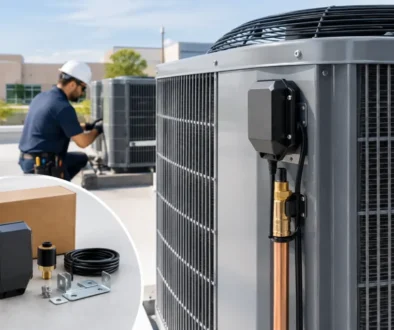
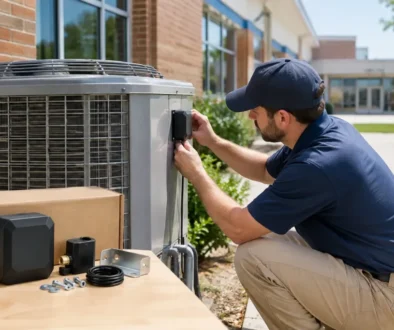
CopperWatcher CW-3 is designed for this application by monitoring both electrical power and refrigerant pressure at the A/C unit. These are the two conditions associated with a typical theft attempt: power being shut off and refrigerant lines being cut. When suspicious conditions are detected, the system communicates with the existing burglar-alarm system so the alarm can respond promptly.
Detection settings and installation details should be reviewed by qualified professionals. An effective system must account for normal HVAC operation, scheduled shutdowns, maintenance activity, and the difference between an intentional local power shutoff and a broader power outage. This is where proper pressure-switch setup, wiring, testing, and alarm-panel programming are essential.
Assign Risk by Consequence, Not Just Visibility
The most exposed condenser is not always the unit that should be protected first. A better audit ranks equipment by both likelihood of an attempt and the consequence of losing that equipment.
Start with units that are easy to access, poorly visible, or located in areas with little after-hours activity. Then raise their priority if they serve critical operations, occupied housing, classrooms, medical-adjacent spaces, server rooms, food service, or tenant areas where cooling loss creates immediate disruption.
A simple three-level system keeps the process usable. High-priority units have accessible equipment, limited natural surveillance, and a major operational consequence if disabled. Moderate-priority units have some exposure but better visibility, fencing, or lower consequence. Lower-priority units are difficult to access, regularly observed, and less critical to operations.
Do not treat a lower-priority unit as a permanent low-risk condition. Landscaping changes, new construction, tenant turnover, vacant periods, or a failed exterior light can materially change the assessment. Revisit the audit after site changes and before periods when the property will be less occupied.
Test the Gaps You Find
An audit becomes useful when it produces actions, owners, and deadlines. For each high-priority unit, identify the specific gap: unsecured access, inadequate lighting, no alarm communication, unclear maintenance procedure, or missing equipment records. Then assign the corrective action to the appropriate party, whether that is facilities, an HVAC contractor, an alarm contractor, property management, or a security integrator.
Testing should be planned, controlled, and coordinated. Do not casually shut off equipment or disturb refrigerant components to see what happens. A qualified HVAC or alarm professional can verify device operation, alarm-panel zones, annunciation, notification paths, and restoration procedures without creating unnecessary service calls or nuisance alarms.
It is also wise to review who receives alerts and what they are expected to do. A monitored alarm signal, onsite security officer, property manager, and after-hours maintenance contact all play different roles. The response plan should be clear enough that a real alarm does not become a series of unanswered calls.
Make HVAC Protection Part of Routine Property Management
The strongest results come from treating condenser security as a recurring facility responsibility, not a one-time project after a loss. Add outdoor equipment checks to seasonal HVAC service, lighting inspections, security walkthroughs, and turnover procedures for vacant spaces.
Keep records of repairs, disconnected units, alarm events, and recurring access problems. Patterns can reveal that a specific side of the building, enclosure design, or maintenance practice needs attention. For contractors and integrators, this documentation also supports clearer recommendations and helps ensure new equipment is included in the protection plan from the start.
A well-run HVAC vulnerability audit does more than identify exposed copper. It gives property decision-makers a clear path to reduce opportunity, detect an attempt early, and protect the cooling equipment their people and operations depend on.