Pressure Sensing Versus Video Verification
A condenser can be disabled and its refrigerant lines cut in a short window of time, often before anyone has a chance to review a camera feed. That is the central distinction in pressure sensing versus video verification: one method detects a physical change associated with an A/C theft attempt, while the other provides visual information that may help someone assess what happened. Both can have a place in a property protection plan, but they serve different jobs.
For property owners, facility managers, and contractors, the practical question is not whether cameras are useful. It is whether a camera alone can trigger a response early enough to protect an exposed condenser, coil, and refrigerant system from costly loss and downtime.
What Pressure Sensing Detects at an A/C Unit
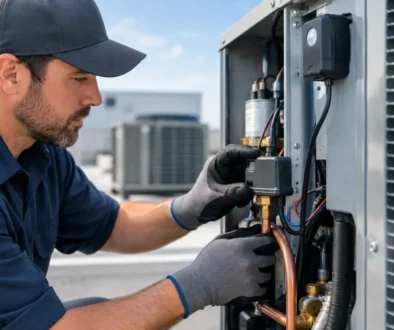
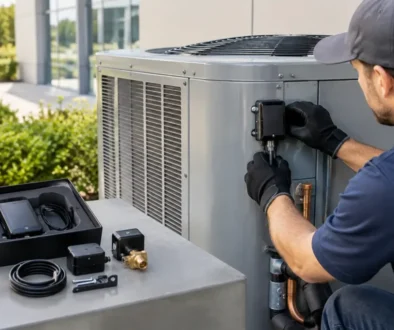
Pressure sensing monitors a condition within the refrigerant circuit. When copper refrigerant lines are cut or significantly disturbed, system pressure changes. A properly configured pressure-monitoring device can recognize that change and communicate an alarm condition to the building’s existing burglar-alarm system.
This approach is specific to the mechanical event that creates much of the damage in an A/C copper theft attempt. It does not require a person to be watching a screen, interpreting a shadow, or deciding whether activity near an outdoor unit looks suspicious. The detection point is the equipment itself.
CopperWatcher™ CW-3 combines refrigerant pressure monitoring with electrical power monitoring because cutting refrigerant lines is not the only action that may occur during an attempt. A thief may first shut off power at the condenser. Monitoring both conditions provides earlier awareness of activity that can precede coil removal or line cutting.
Pressure sensing is particularly relevant where outdoor units are behind buildings, on rooftops, in service corridors, or in other locations where camera coverage is difficult to maintain. It is also useful at properties that are unoccupied overnight, where there may be no staff member available to review an alert in real time.
The Value of an Immediate Alarm Response
When a pressure-related alarm condition is sent to the burglar-alarm panel, the site’s siren can draw immediate attention to the attempted theft. This is a different outcome from recording an event for later review. The goal is to interrupt the attempt as early as possible, before a damaged condenser becomes an HVAC emergency, an insurance claim, or a tenant comfort issue.
The effectiveness of that response still depends on correct installation, alarm-panel configuration, and property-specific procedures. Pressure sensing is not a substitute for a complete security system, HVAC maintenance, or a response plan. It is a purpose-built detection layer for a specific and expensive vulnerability.
What Video Verification Does Well
Video verification uses cameras, recorded footage, live viewing, analytics, or a combination of these tools to help identify activity at a protected location. It can provide valuable context: whether a person approached the unit, what direction they came from, whether a vehicle was involved, and what occurred after an alarm.
For a facility with multiple exterior risks, cameras can cover doors, gates, loading areas, parking lots, and HVAC equipment from a single security platform. They may support incident documentation, employee safety procedures, and post-event investigation. In locations with reliable lighting, clear sightlines, and an actively monitored video service, video can also help determine whether an alarm warrants dispatch or escalation.
But video verification has limits when used as the only protection for condensers. Camera performance depends on placement, lighting, network availability, image quality, lens condition, weather, and whether the unit remains in frame. A camera may capture useful evidence without creating an immediate deterrent. If the system relies on a person to receive and evaluate a notification, response time becomes another variable.
Video analytics can identify motion or people, but outdoor condensers are often located near landscaping, traffic, wildlife, or routine service activity. Those conditions can require careful tuning to avoid nuisance notifications. Cameras also cannot directly confirm a refrigerant pressure loss simply by observing the area.
Pressure Sensing Versus Video Verification: The Key Difference
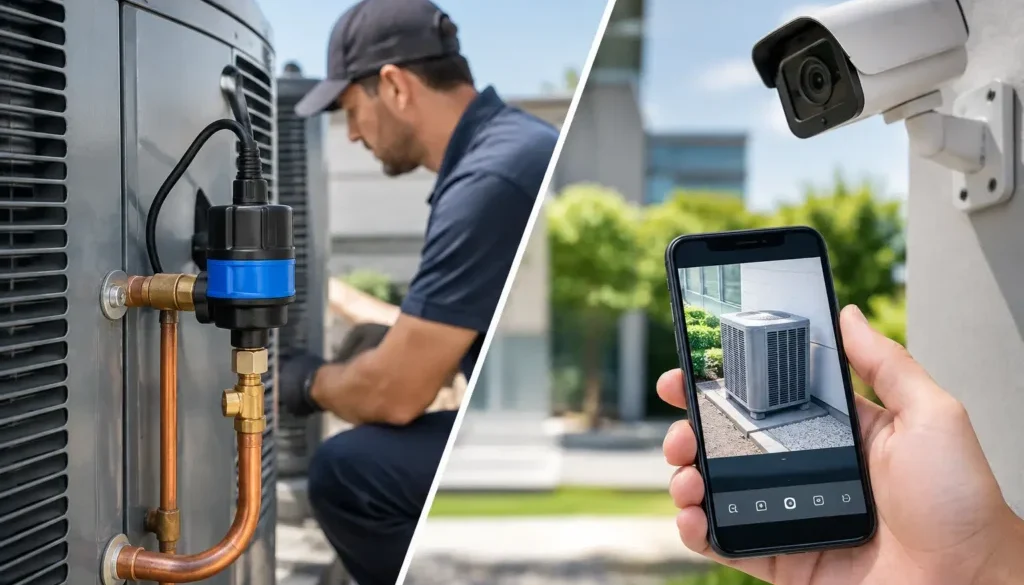
The simplest distinction is that pressure sensing detects a physical condition at the A/C system, while video verification observes activity around it. One is event-driven at the equipment level. The other is visual and contextual.
That difference affects how each method handles the early moments of a theft attempt. A pressure-sensing device is designed to respond when the refrigerant circuit experiences the type of change associated with cut lines. A video system may show someone near the condenser, but it may not know why that person is there. The person could be an HVAC technician, an employee, a contractor, or someone attempting theft.
Electrical power monitoring adds another useful layer. An intentional condenser shutdown can be suspicious, but a local utility outage should not be treated the same way. Intelligent monitoring that distinguishes those conditions can help reduce avoidable alarms and the operational burden that comes with them, including potential municipal false-alarm fines.
Neither method should be evaluated only by the number of alerts it produces. A better measure is whether the system produces a meaningful alarm at the right point in the event and can activate a practical response.
When Cameras Are Enough and When They Are Not
Video may be sufficient as a supporting measure when a condenser is already within close, well-lit view of a continuously monitored camera and the property has a dependable response process. For example, a staffed facility may be able to use live video to investigate alerts quickly while maintaining strong physical access controls around its equipment.
Even then, camera coverage should be tested from the condenser’s actual location, not assumed from a site plan. Foliage grows, lighting changes, vehicles block views, and exterior equipment can sit outside the camera’s effective identification range. A recorded image after the fact may be helpful, but it does not restore cooling or replace a damaged coil.
Pressure sensing becomes more compelling when the equipment is exposed, remote, frequently unattended, or repeatedly targeted. It is also a strong fit when the property already has a burglar-alarm panel and wants to add A/C-specific detection without replacing its entire security infrastructure.
For larger sites, the strongest approach may be layered. Cameras can provide visibility and documentation. Physical barriers can slow access. Pressure and power monitoring can detect the mechanical actions that place the condenser at risk and activate the existing alarm system. Each layer addresses a different gap.
Integration Matters More Than Another Notification
A common mistake is adding security devices that create separate apps, separate alerts, and separate response decisions. At 2:00 a.m., a property manager does not need another notification that can wait in a queue. The priority is a clear alarm condition that works with the system already responsible for protecting the site.
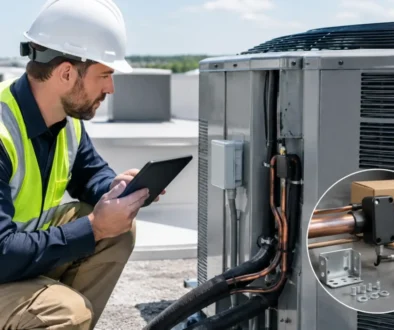
A/C theft detection should be planned with the alarm contractor, HVAC contractor, or security integrator. The team should confirm pressure-switch setup, wiring paths, power-monitoring requirements, alarm-zone programming, and how intentional shutdowns will be handled. This planning helps ensure the system is responsive to suspicious events without treating normal service work or area-wide power loss as a theft attempt.
For trade professionals, this creates a practical service opportunity. A/C-specific protection can be specified alongside alarm upgrades, HVAC replacement projects, retrofit work, and protection plans for vulnerable commercial or multifamily properties. The value is straightforward: help the customer protect equipment that is often expensive, exposed, and essential to daily operations.
Choose Detection Based on the Loss You Need to Prevent
If the objective is to see what happens near a condenser, video verification is useful. If the objective is to detect a critical change to the A/C system and trigger an immediate alarm response, pressure sensing addresses a different need. Comparing the two as interchangeable technologies can leave a gap precisely where the property needs protection most.
Start with the unit’s exposure, the cost of downtime, the site’s existing alarm infrastructure, and who will respond after hours. Then build protection around the earliest meaningful signs of an attempted theft. A well-planned system gives property owners more than footage to review – it gives them a practical chance to protect the equipment before a manageable risk becomes a major repair.